
Innovative Kunststoffe tragen maßgeblich dazu bei, die Transformation zu einer klimaneutralen und ressourceneffizienten Wirtschaft zu beschleunigen. Ob Verpackungen, Bauwesen, Mobilität, Konsumgüter oder industrielle Anwendungen: Kunststoffinnovationen ermöglichen neue Lösungen für Kreislaufwirtschaft, Klimaschutz und Ressourcenschonung. Die folgenden Beispiele zeigen, wie Mitgliedsunternehmen von Plastics Europe durch nachhaltige Kunststoffe, innovative Recyclingtechnologien und den Einsatz erneuerbarer Rohstoffe die Zukunft gestalten.
Mit einem starken Fokus auf Innovationen sowie Investitionen in Forschung und Entwicklung, Prozesstechnologien und Umweltschutz treiben die Mitgliedsunternehmen von Plastics Europe Deutschland die Transformation der Kunststoffindustrie hin zu einer zirkulären Wirtschaft voran. Die Fortschritte reichen von der Nutzung biobasierter und recycelter Rohstoffe, dem Einsatz von Rezyklaten und recyclinggerechtem Design bis hin zu modernem mechanischem und chemischem Kunststoffrecycling. Diese Innovationen leisten einen wichtigen Beitrag zu Ressourcenschonung, Klimaschutz und einer nachhaltigen Kreislaufwirtschaft.
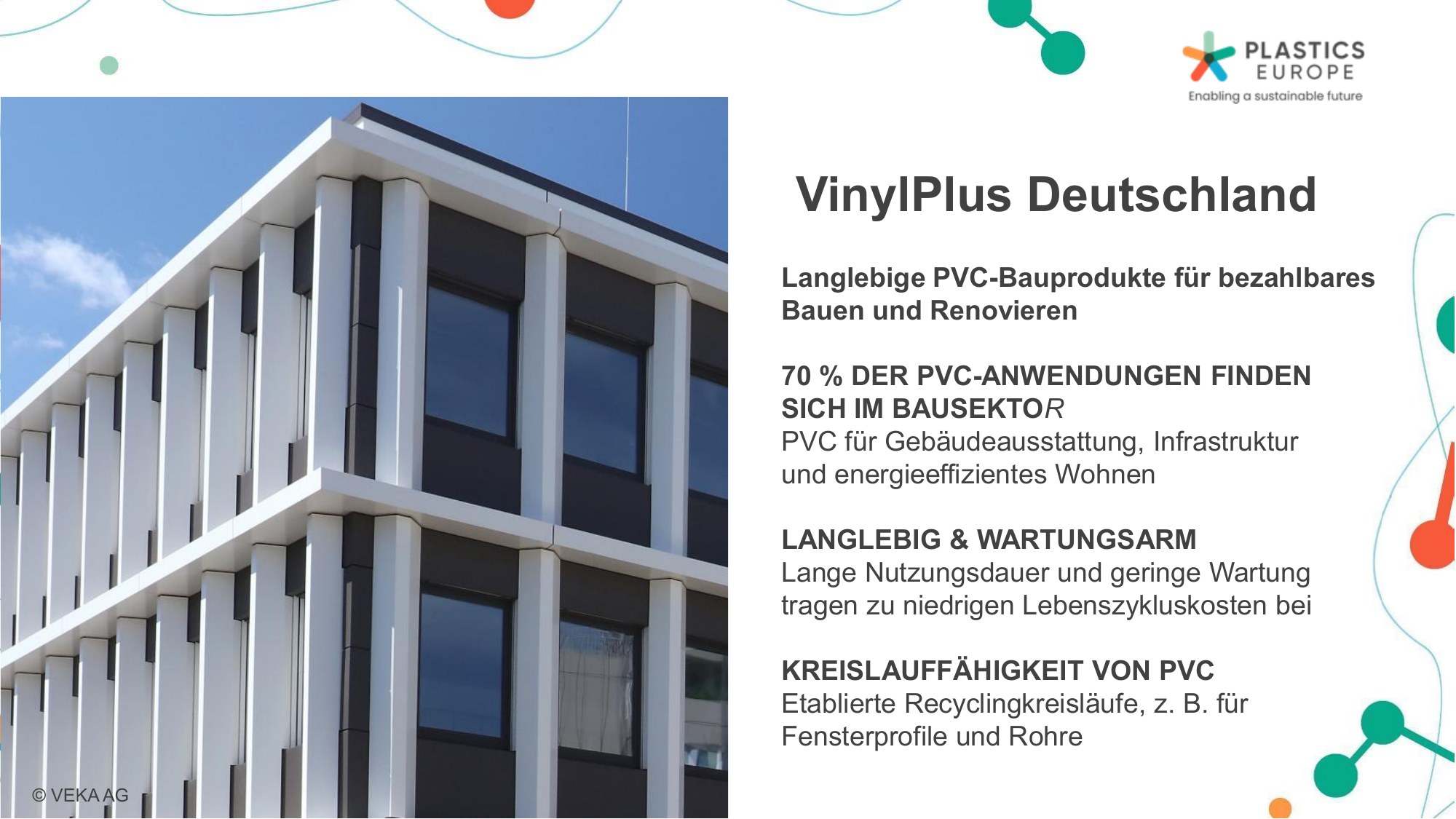
Wie Kunststoffinnovationen eine nachhaltige Zukunft ermöglichen
Innovative Kunststoffe helfen dabei, zentrale gesellschaftliche Herausforderungen zu bewältigen. Sie ermöglichen energieeffiziente Gebäude, leichtere Fahrzeuge, moderne medizinische Anwendungen, nachhaltigere Verpackungen und fortschrittliche Recyclingverfahren. Damit tragen sie zur Reduzierung von Emissionen, zur Schonung wertvoller Ressourcen und zum Aufbau einer funktionierenden Kreislaufwirtschaft bei.
Nachhaltige Kunststoffverpackungen
und Kreislaufwirtschaft
Kunststoffverpackungen schützen Produkte, reduzieren Lebensmittelverluste und werden zunehmend für die Kreislaufwirtschaft entwickelt. Moderne Verpackungslösungen setzen auf Recyclingfähigkeit, Rezyklateinsatz sowie biobasierte und zirkuläre Rohstoffe.
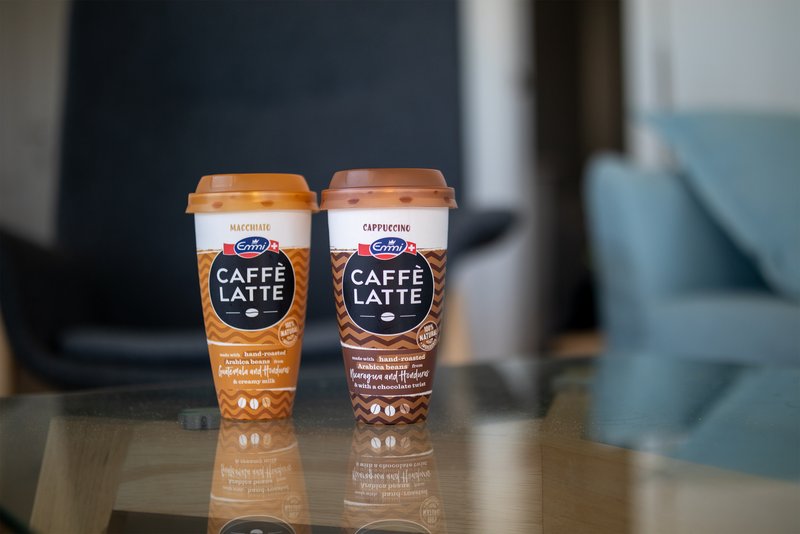
Kaffeebecher aus chemisch recyceltem Polypropylen (Borealis)
Das Schweizer Molkereiunternehmen Emmi produziert gemeinsam mit Borealis und Greiner Packaging Getränkebecher für Emmi CAFFÈ LATTE aus chemisch recyceltem Polypropylen. Grundlage ist der Massenbilanzansatz, der den Einsatz zirkulärer Rohstoffe in hochwertigen Lebensmittelverpackungen ermöglicht.
©Emmi

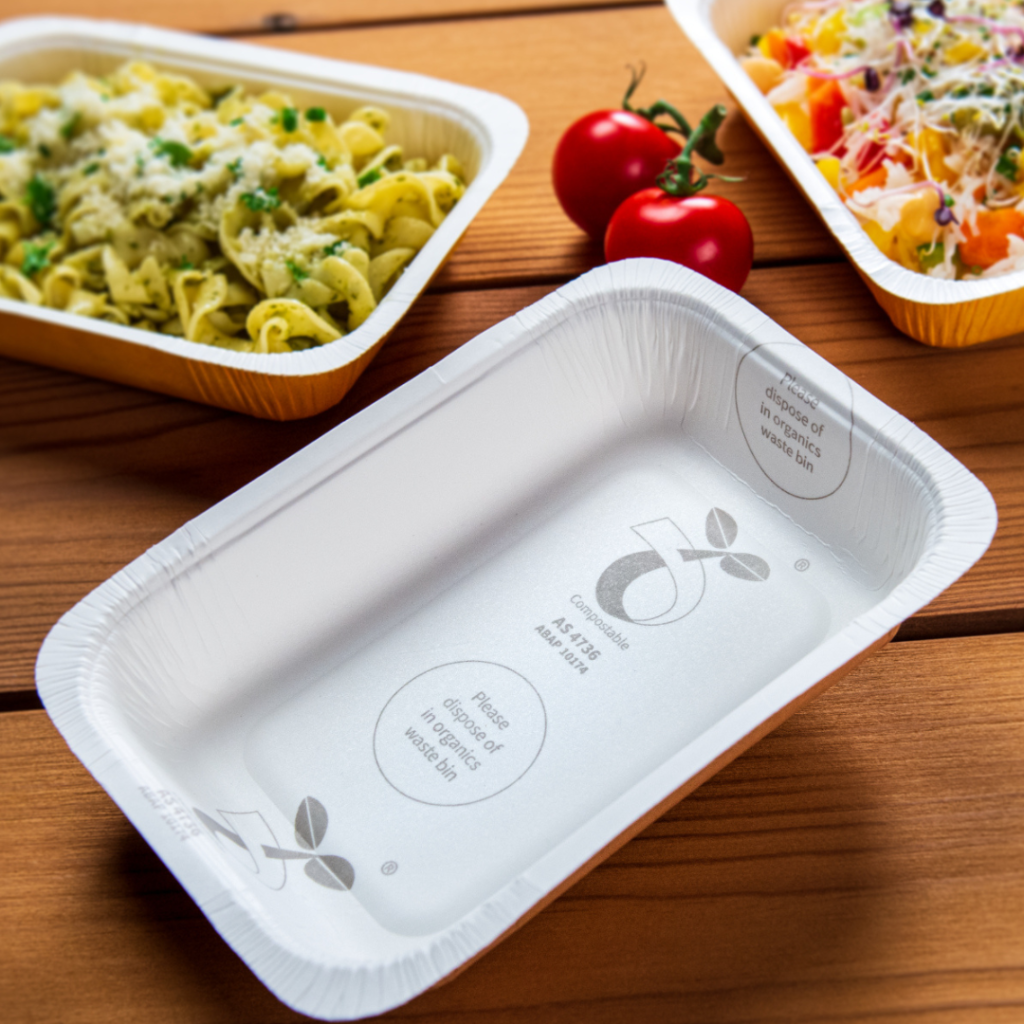
Zertifiziert kompostierbare Menüschalen aus Papier (BASF)
Confoil und BASF haben eine zertifiziert kompostierbare Papierverpackung für Fertiggerichte entwickelt. Die Schalen sind mikrowellen- und ofengeeignet und bieten eine nachhaltige Alternative für moderne Lebensmittelverpackungen. ©BASF


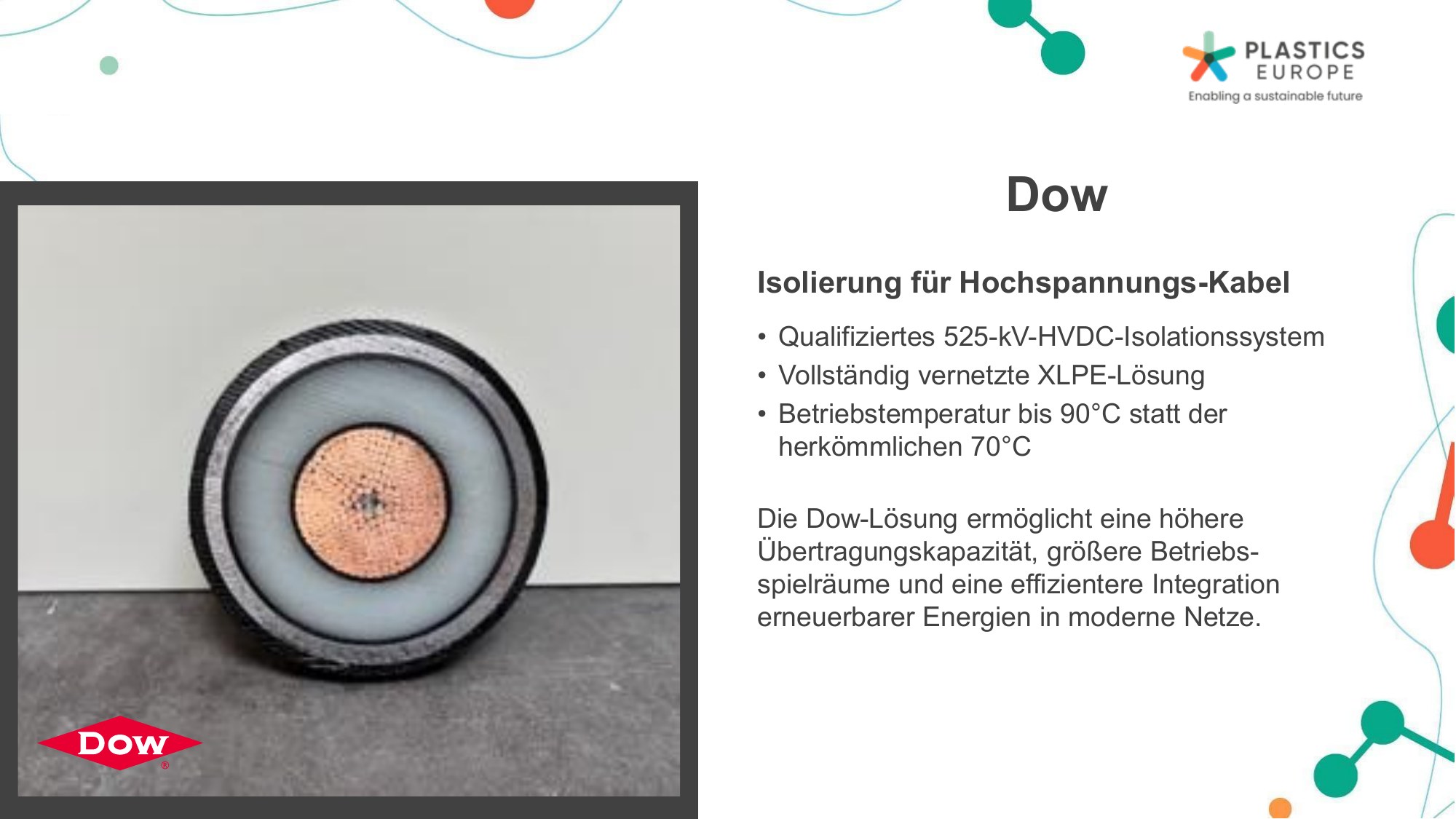
Hochleistungsbarriereverpackung (Dow)
Gemeinsam mit Partnern hat Dow ein innovatives Verpackungskonzept entwickelt, das hohe Produktsicherheit mit verbessertem Design for Recycling verbindet und somit die Kreislauffähigkeit von Verpackungen unterstützt. © Dow
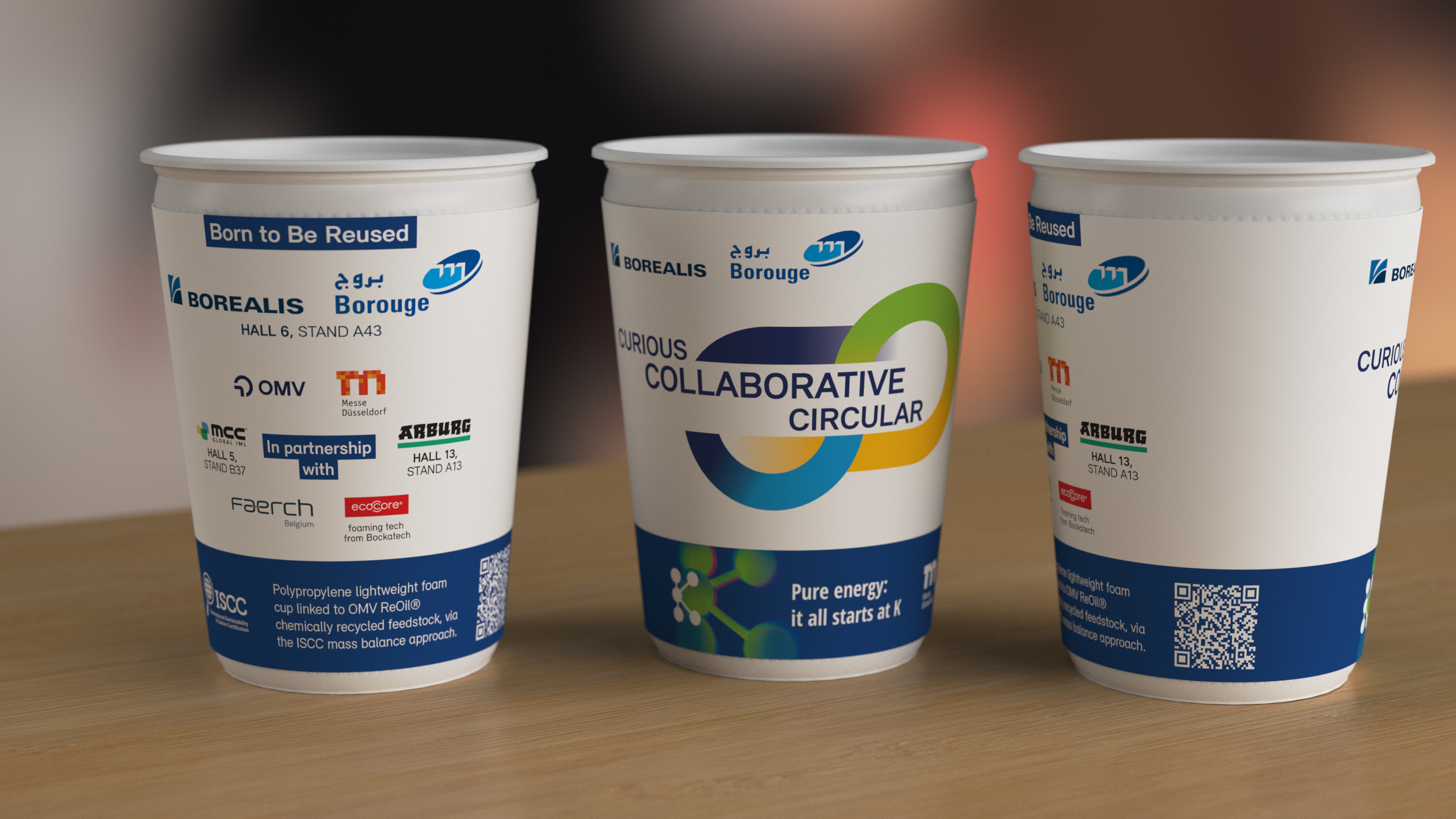
Mehrwegbechersystem aus chemisch recycelten Rohstoffen (Borealis)
Borealis entwickelte für eine Veranstaltung der Messe Düsseldorf das erste umfassende Mehrwegbechersystem auf Basis von chemisch recycelten Rohstoffen aus der ReOil®-Technologie von OMV. ©Borealis

Verpackungen aus biobasiertem Polyethylen (Braskem)
Gemeinsam mit Braskem setzt EOS Natura auf biobasiertes Polyethylen aus Zuckerrohr. Die Verpackungen reduzieren den CO₂-Fußabdruck und unterstützen den Einsatz nachwachsender Rohstoffe in der Kunststoffproduktion.
©EOS Natura

Lebensmittelbehälter aus 100 Prozent recyceltem Polypropylen (BASF)
Mit IrgaCycle® ermöglicht BASF den Einsatz von vollständig recyceltem Polypropylen in Lebensmittelbehältern. Die Lösung trägt dazu bei, hochwertige Kunststoffverpackungen im Kreislauf zu halten. ©BASF

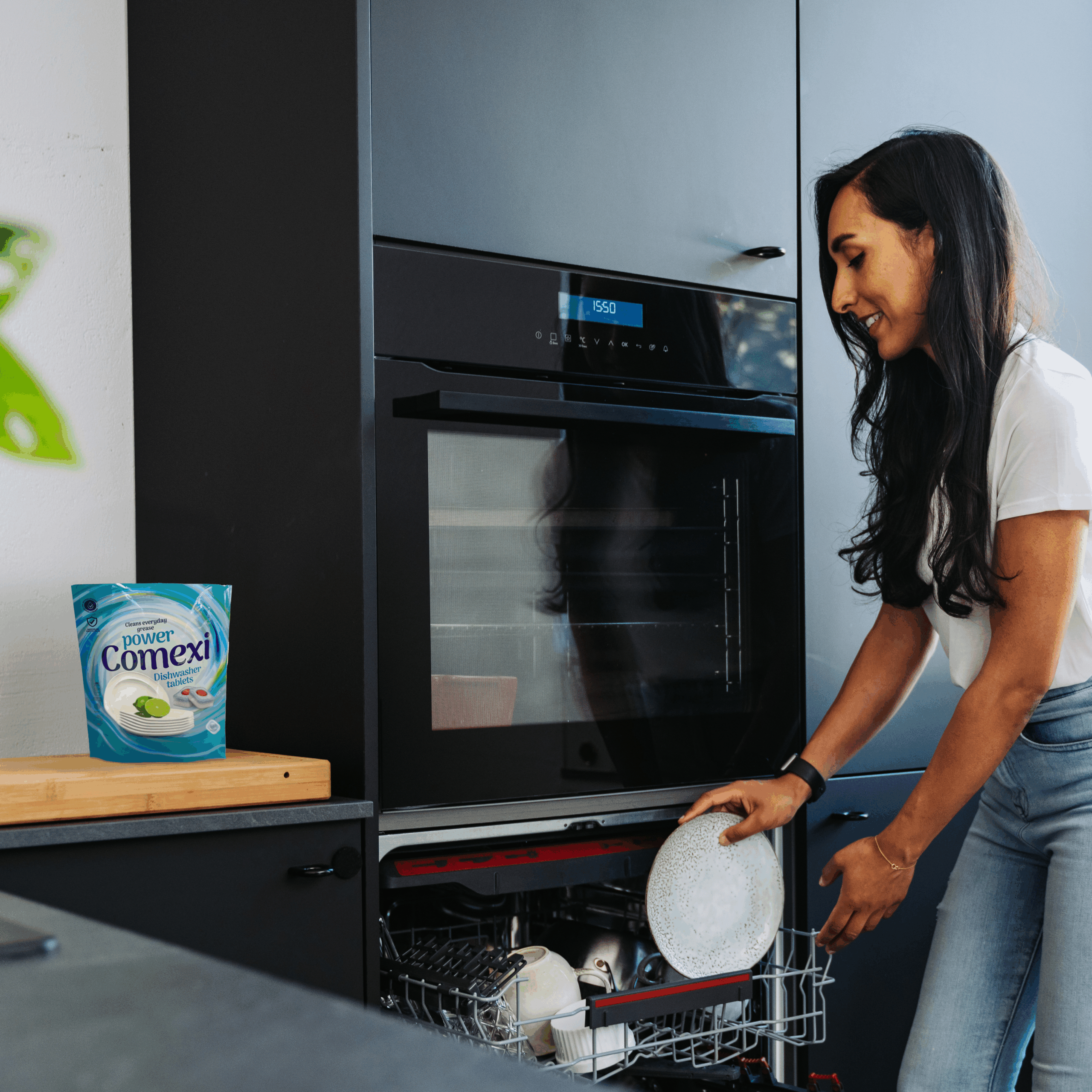
Dish washer tabs packaging (Borealis)
Innovative monomaterial polyethylene (PE) solution for non-food consumer packaging that combines Borealis Bocycle™ M recycled content, full recyclability, and excellent performance. Made possible by Borealis and Comexi. © Borealis
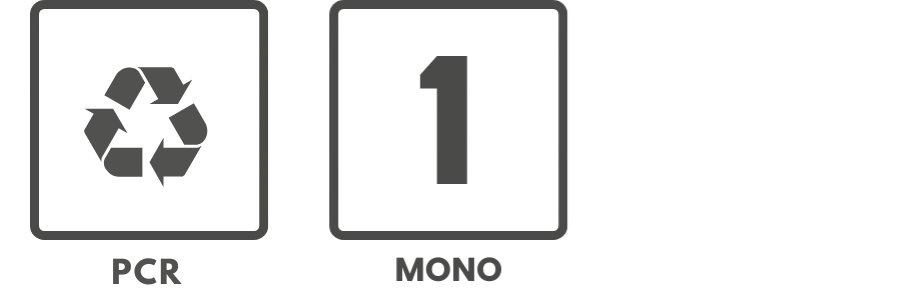

Detergent pouch (Dow)
Fully recyclable design (ALL-PE) with 30% total PCR content providing high production output and ease of processing for maximum productivity. Specifically designed for Home & Personal Care market for applications such as detergent packaging.
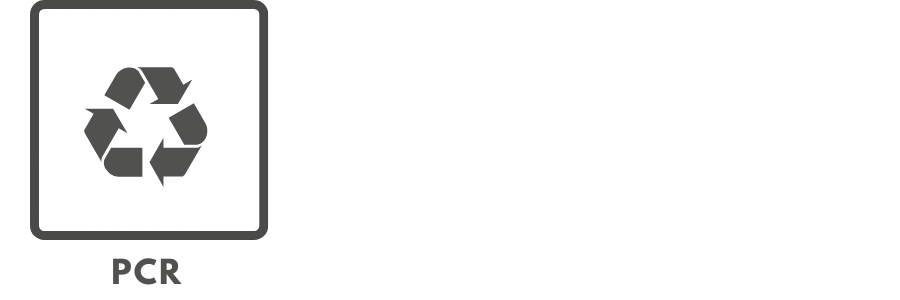
Refill pouch with spout (Dow)
Plastics reduction through transition from rigids to flexible packaging. Fully Recycable all PE design using extra thin MDO-PE print substrate.
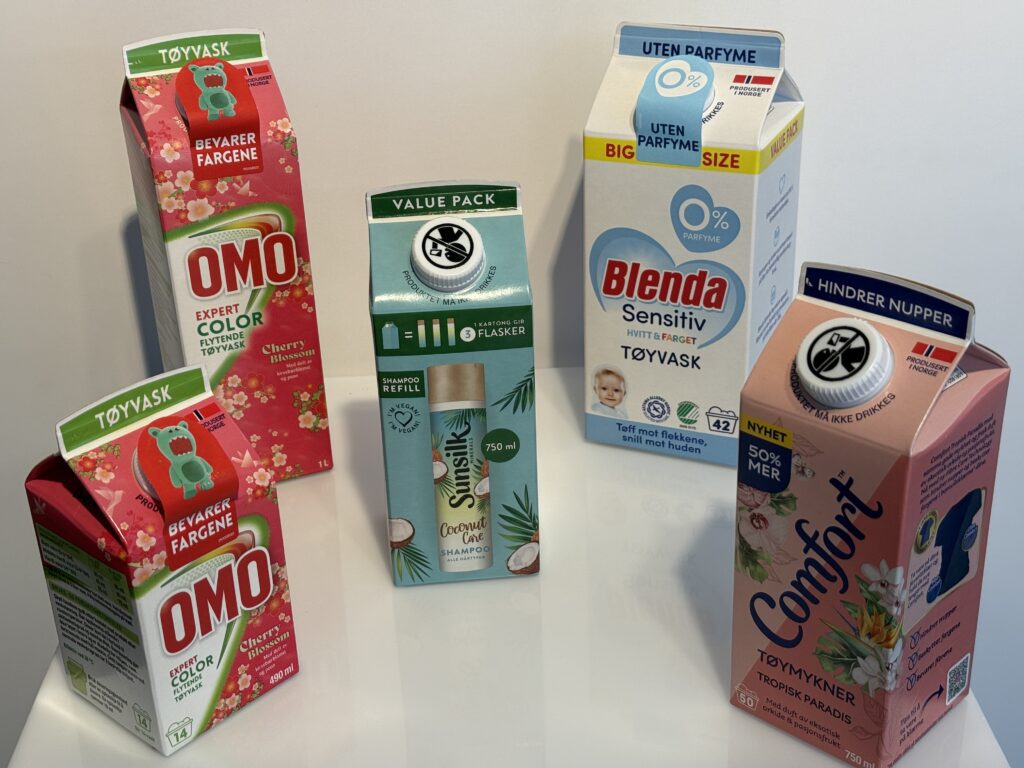
Elopak cartons for Home & Personal Care applications (Dow)
First ever Elopak cartons (D-PAK™) for Home & Personal Care application incorporating recycled & bio-circular polymers helping to reduce amount of plastic that ends up in landfill and lower CO2. This next generation solution is delivering same high performance and protection while helping to prepare for upcoming recycled targets under PPWR. © Dow
Kreislauffähige und
biobasierte Kunststoffmaterialien
Innovative Kunststoffe aus recycelten oder nachwachsenden Rohstoffen helfen, fossile Ressourcen zu ersetzen und den CO₂-Fußabdruck von Produkten zu reduzieren. Sie kommen unter anderem in Konsumgütern, Spielwaren, Medizinprodukten und technischen Anwendungen zum Einsatz.
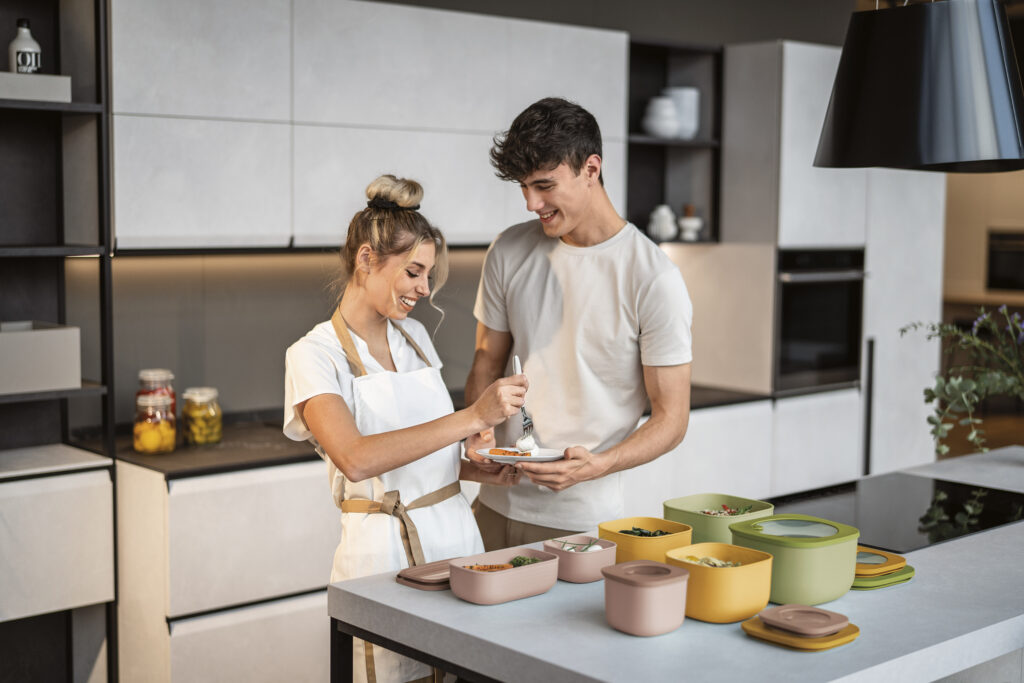
Guzzini reusable houseware made from renewable feedstock (Borealis)
Borealis and Guzzini created durable and reusable houseware based on the Borealis Bornewables™, allowing Guzzini to lower the carbon footprint of their products, while also being 100% recyclable at end of life. © Guzzini
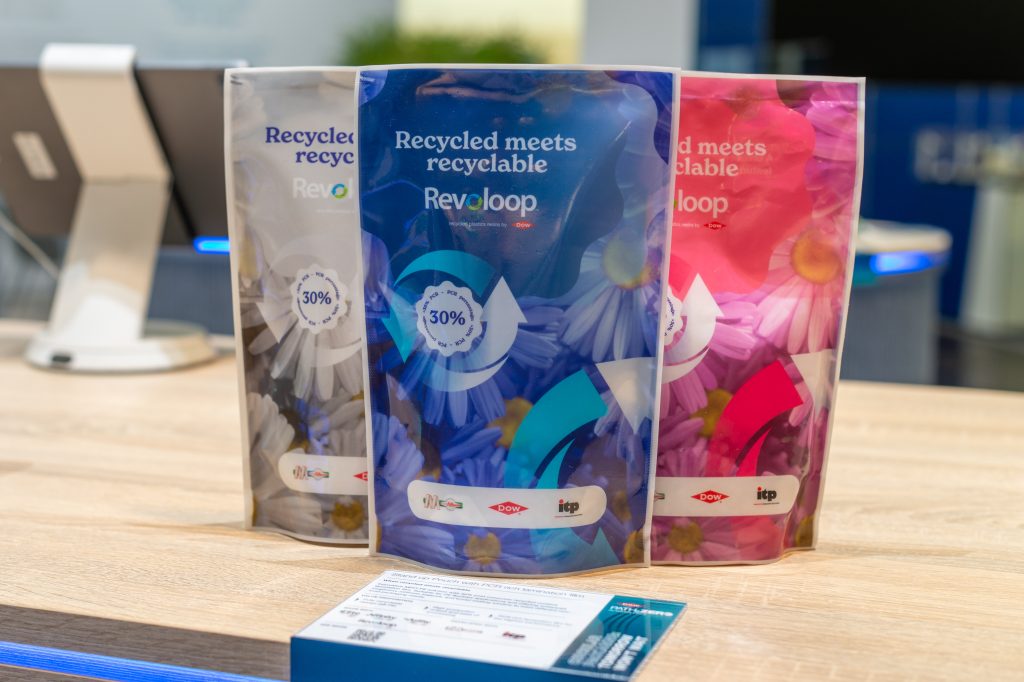
Stand-up pouches with PCR rich lamination film (Dow)
Innovative all-PE laminate combining MDO-PE with a PCR-rich sealant film, delivering a final solution with 30% PCR content overall. Suitable for non-food contact packaging applications requiring good stiffness/toughness balance. © Dow

Perfume caps made of bio-based and circular plastics (Dow)
LVMH and Dow intend to collaborate to improve sustainable packaging across major perfume and cosmetics brands © LVMH

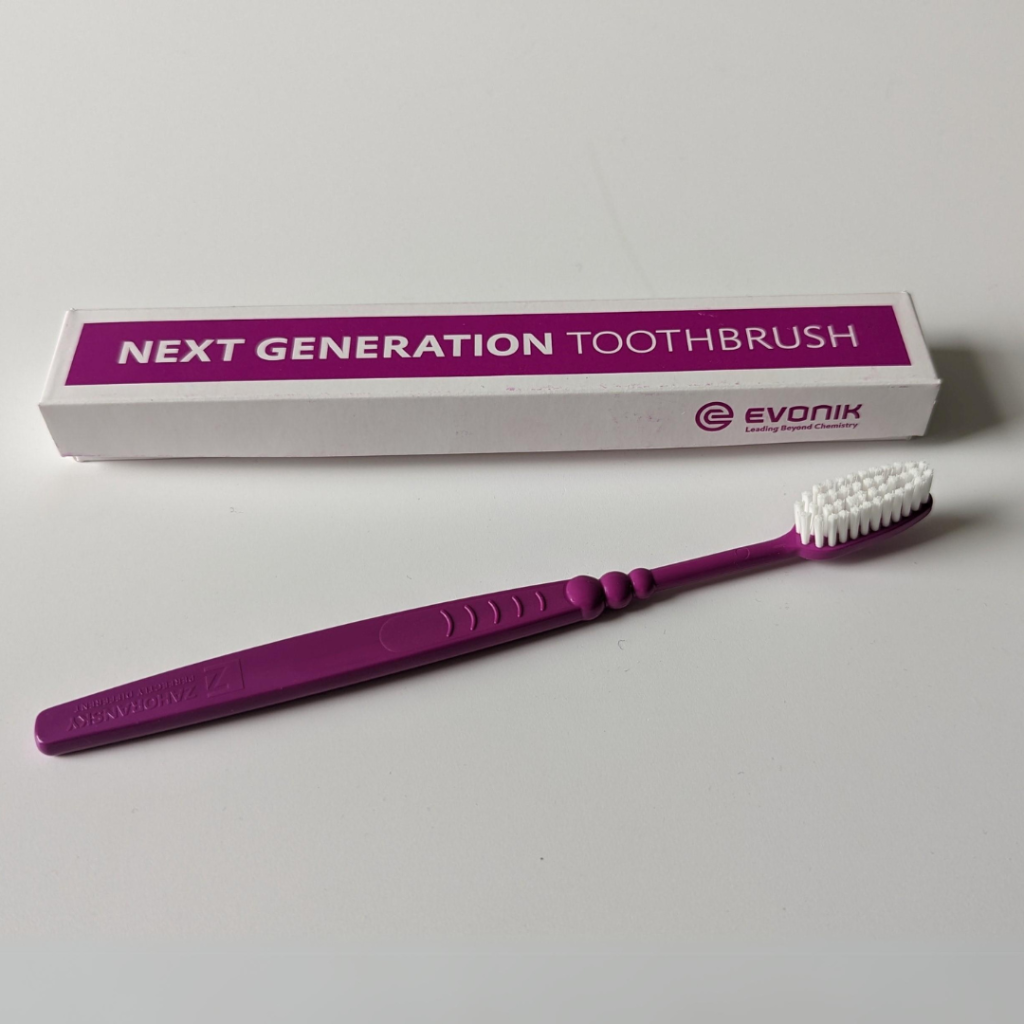
A mono-material toothbrush (Evonik)
To further improve the ecological footprint of the toothbrush, a more sustainable material is also used in this case: VESTAMID® eCO, a polyamide-12 (PA12). © Evonik
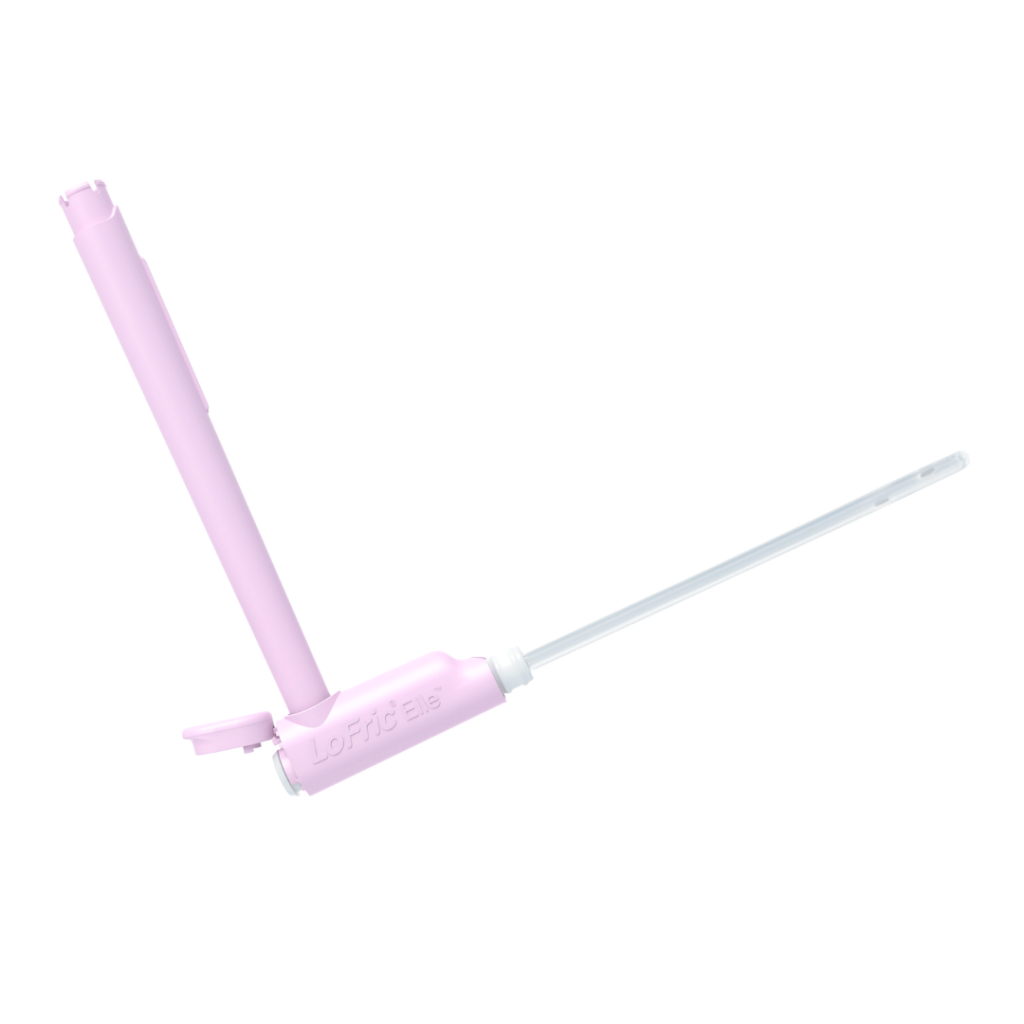
Renewable plastic in the medical device industry (Neste)
Mass balancing supports a gradual introduction of alternative raw materials by mixing them with and phasing out fossil raw materials. © Elle
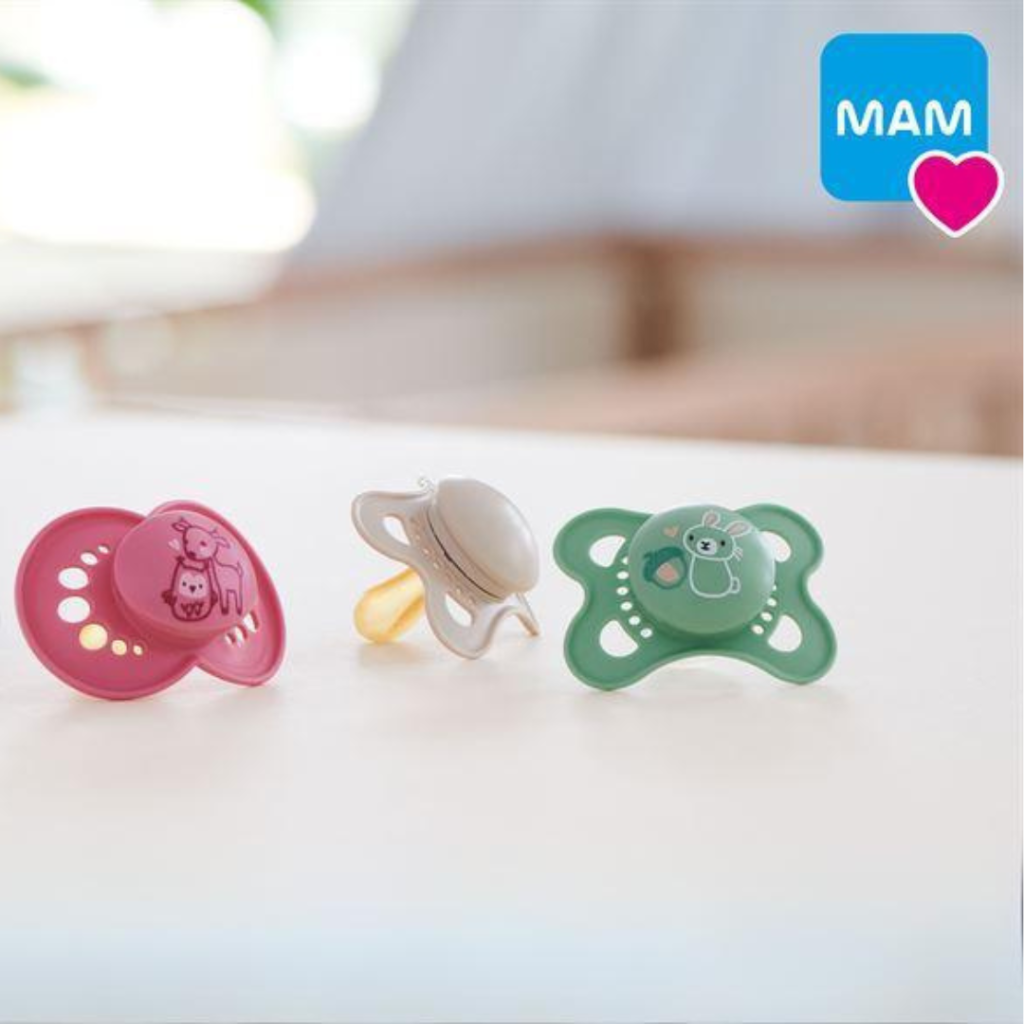
Soother is composed of renewable-sourced polypropylene (Neste)
Collaboration between Neste, Borealis and MAM brings new soother made with renewably-sourced feedstock to market. © MAM

Toys from circular materials (Braskem)
BiOBUDDi is partnering with Braskem to produce eco-friendly building blocks using I’m green™ bio-based polyethylene. The blocks offer a renewable alternative to conventional plastic toys, helping reduce carbon emissions and support a more sustainable future. © BiOBUDDi

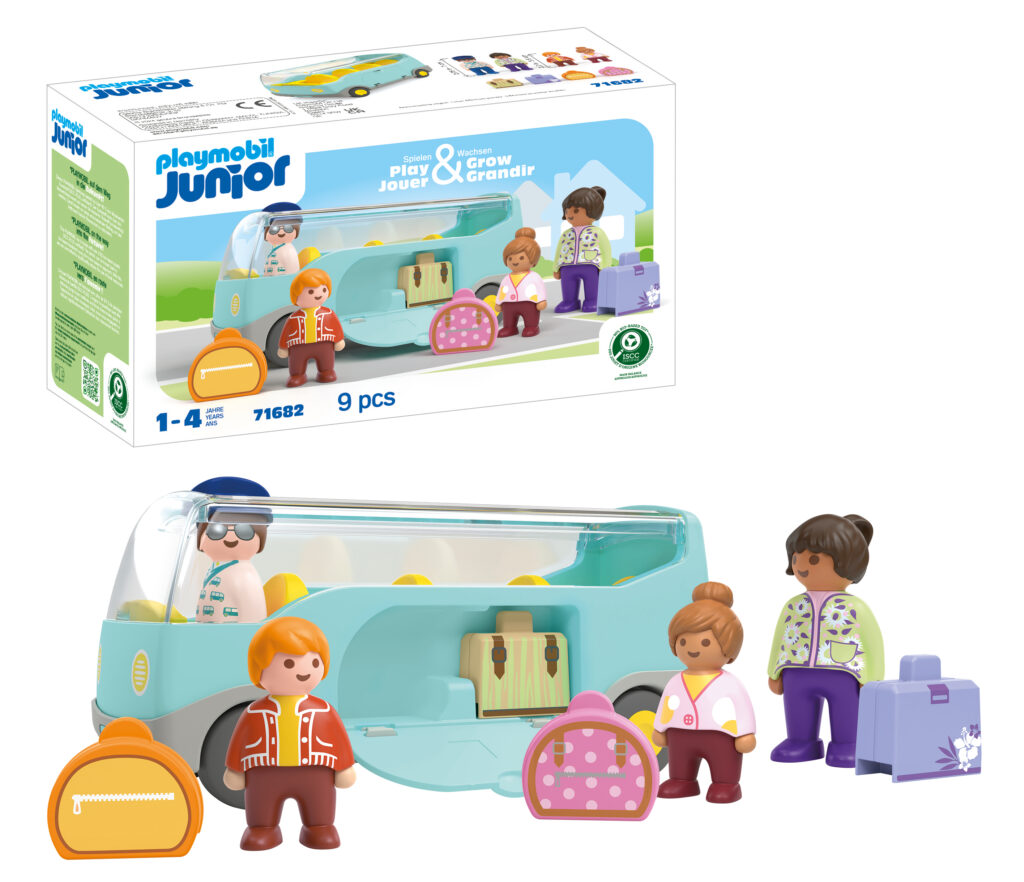
Toddler toys from bio-based plastic (INEOS Styrolution)
PLAYMOBIL uses bio-based plastic material ABS and MBS from INEOS Styrolution for its toddler toy range. The material is ISCC PLUS-certified and can be traced back to bio-based feedstock using the mass balance approach. All PLAYMOBIL JUNIOR playsets are made with over 90% bio-based plastic. © PLAYMOBIL
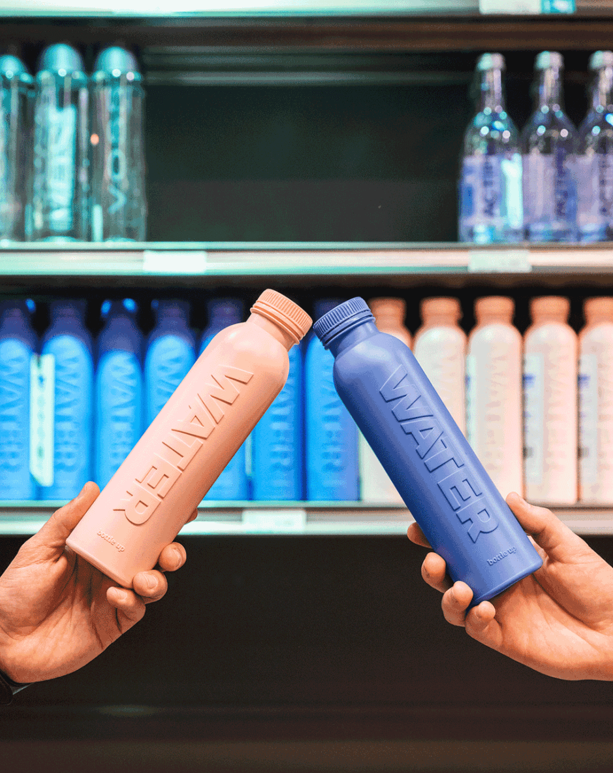
Bottles from bio-based materials (Braskem)
Bottle Up is working with Braskem to produce refillable water bottles using I’m green™ bio-based polyethylene. Designed to replace single-use plastic bottles, Bottle Up’s solution helps reduce waste and carbon emissions while promoting a circular economy. © Bottle Up
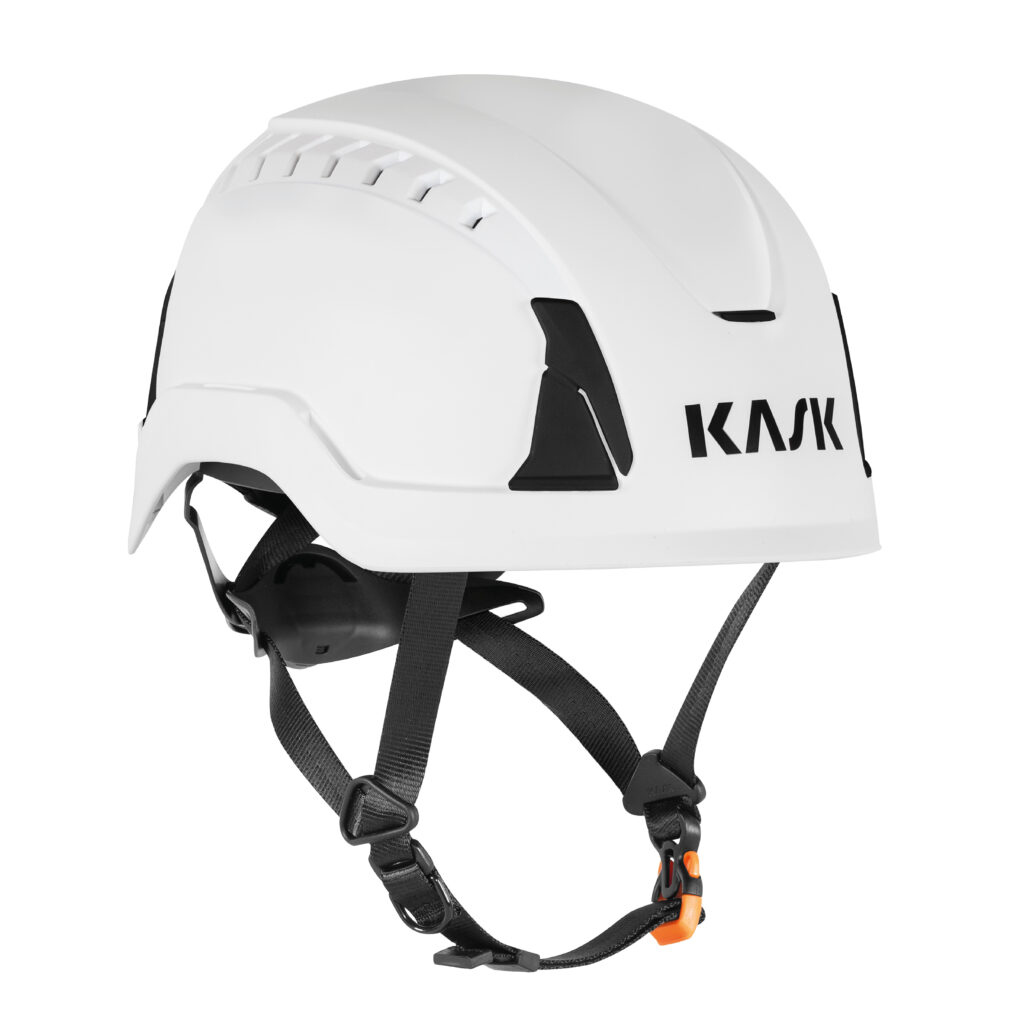
EPS helmet with reduced Product Carbon Footprint (BASF)
Major Italian helmet brand KASK is using expandable polystyrene (EPS) granules Neopor® Ccycled® from BASF for the production of safety helmets for workers. In the manufacturing process of Neopor® Ccycled® fossil feedstocks are replaced by pyrolysis oil at the very beginning of the BASF value chain. This pyrolysis oil is obtained from post-consumer plastic waste through chemical recycling and attributed to the EPS via the mass balance approach. This way, BASF is able to offer Neopor® Ccycled® with a Product Carbon Footprint reduced by approximately 90% compared to conventional Neopor®. © KASK
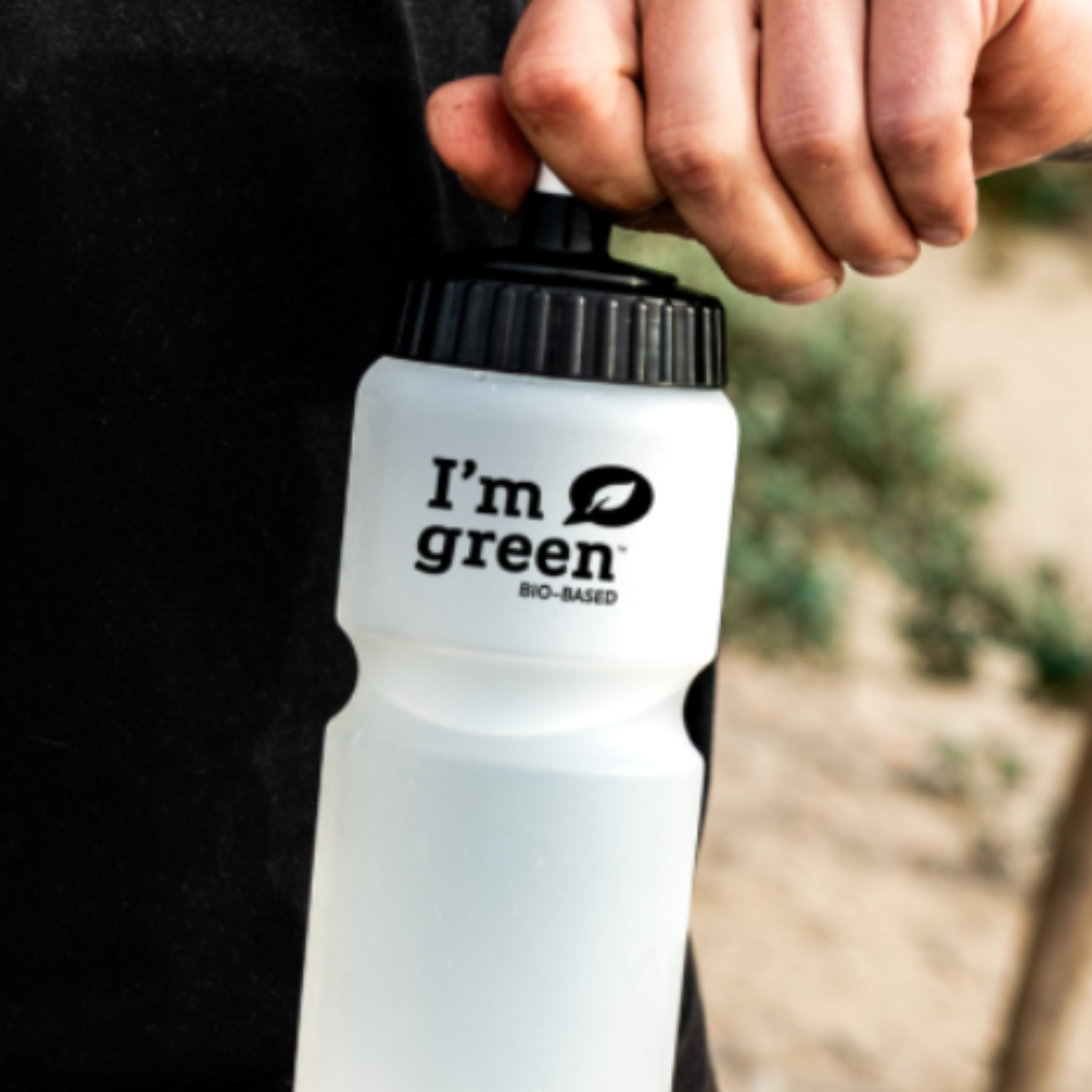
Reusable water bottles from bio-based materials (Braskem)
Eurobottle is partnering with Braskem to produce reusable water bottles using I’m green™ bio-based polyethylene. Focused on reducing plastic waste and carbon footprint, the bottles support a circular economy and reflect Eurobottle’s commitment to sustainable innovation. © Euro Bottle
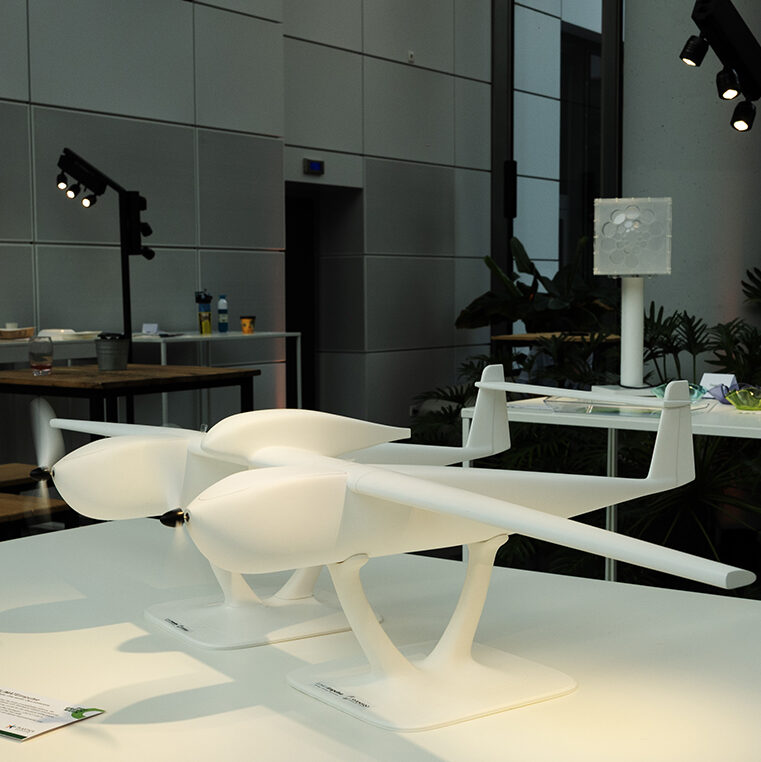
Scale model of the climate impulse aircraft (Syensqo)
This model represents the Climate Impulse aircraft, currently under construction. The full-scale plane will attempt a world-first flight around the globe powered entirely by green hydrogen, producing zero CO₂ emissions. Led by Swiss explorer Bertrand Piccard and engineer-pilot Raphaël Dinelli, Climate Impulse is a bold expedition designed to prove that clean, long-range air travel is not just a dream—it’s ready for takeoff. More than a technological feat, it is a signal to the aviation industry that the future of flight can be sustainable, efficient, and limitless. The mission is expected to take flight in 2028 with a Round-the-World Record attempt lasting 9 days. © Syensqo
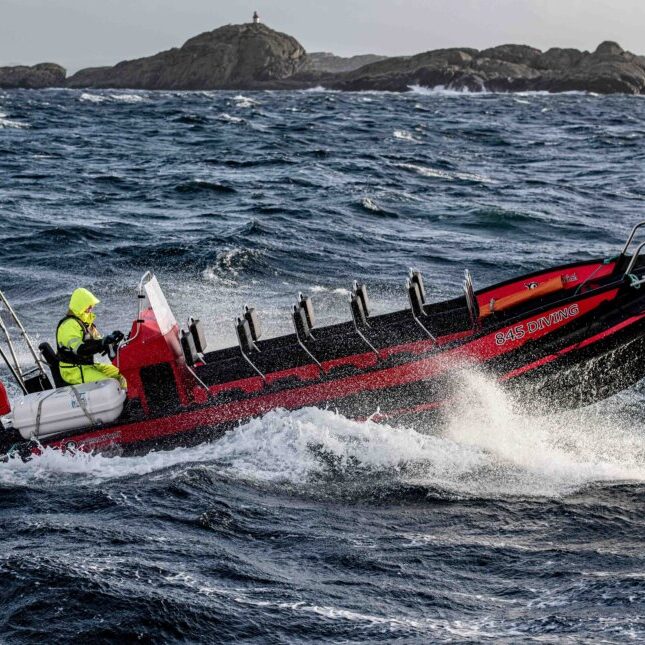
AKVA group’s Polarcirkel™ boat (Borealis)
Borealis, AKVA group and Röchling Industrial showcase use of renewable polyethylene PE100-RC material in marine technology. © AKVA group
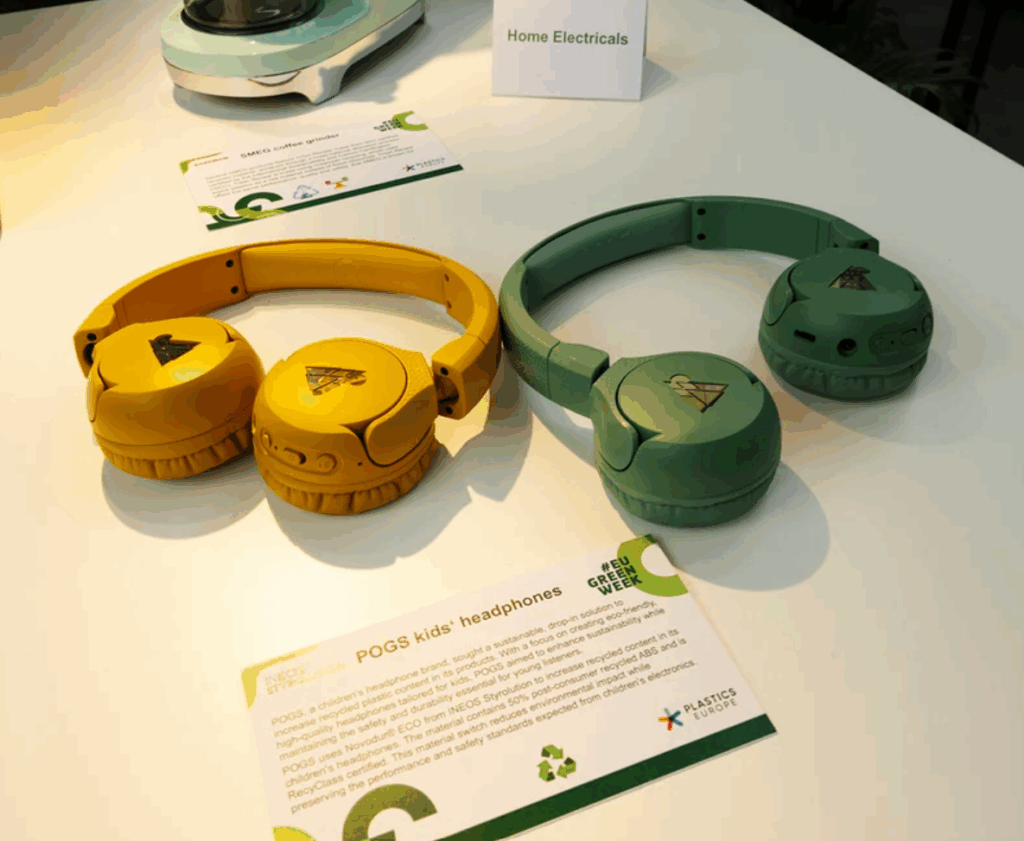
Kids’ headphones made with 50% post-consumer recycled ABS (INEOS Styrolution)
POGS uses INEOS Styrolution’s RecyClass-certified Novodur® ECO P2H-AT MR50 material, containing 50% post-consumer recycled ABS, to create safe, durable, and stylish kids’ headphones – delivering high performance with a reduced environmental footprint. © INEOS Styrolution
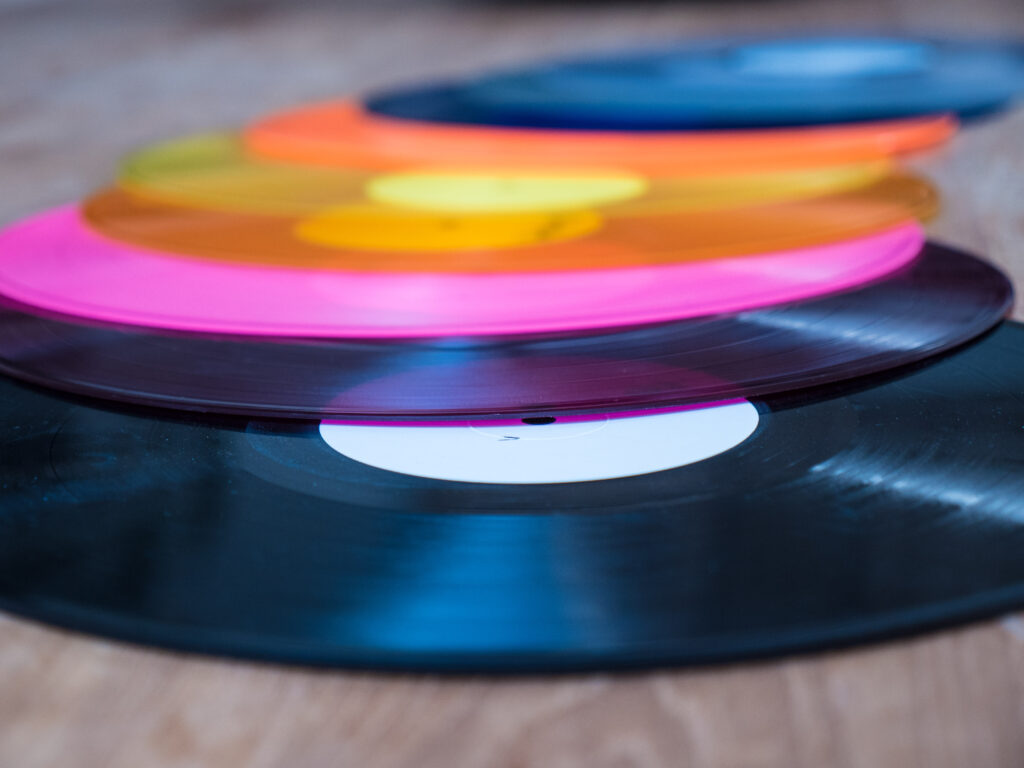
Spinning sustainability: Bio-Vinyl records (Vynova)
Dutch compounder Plastchem produces Bio-Vinyl record compounds using bio-circular PVC from Vynova, reducing the compounds’ carbon footprint by up to 90% compared to conventional, fossil-based vinyl. ©Plastchem
Kunststoffe im Bauwesen
und nachhaltigen Bauen
Kunststoffe leisten einen wichtigen Beitrag zu Energieeffizienz, Langlebigkeit und Ressourcenschonung im Gebäudesektor. Innovative Materialien ermöglichen nachhaltigere Lösungen für Fenster, Rohrsysteme, Dämmung und Innenausbau.
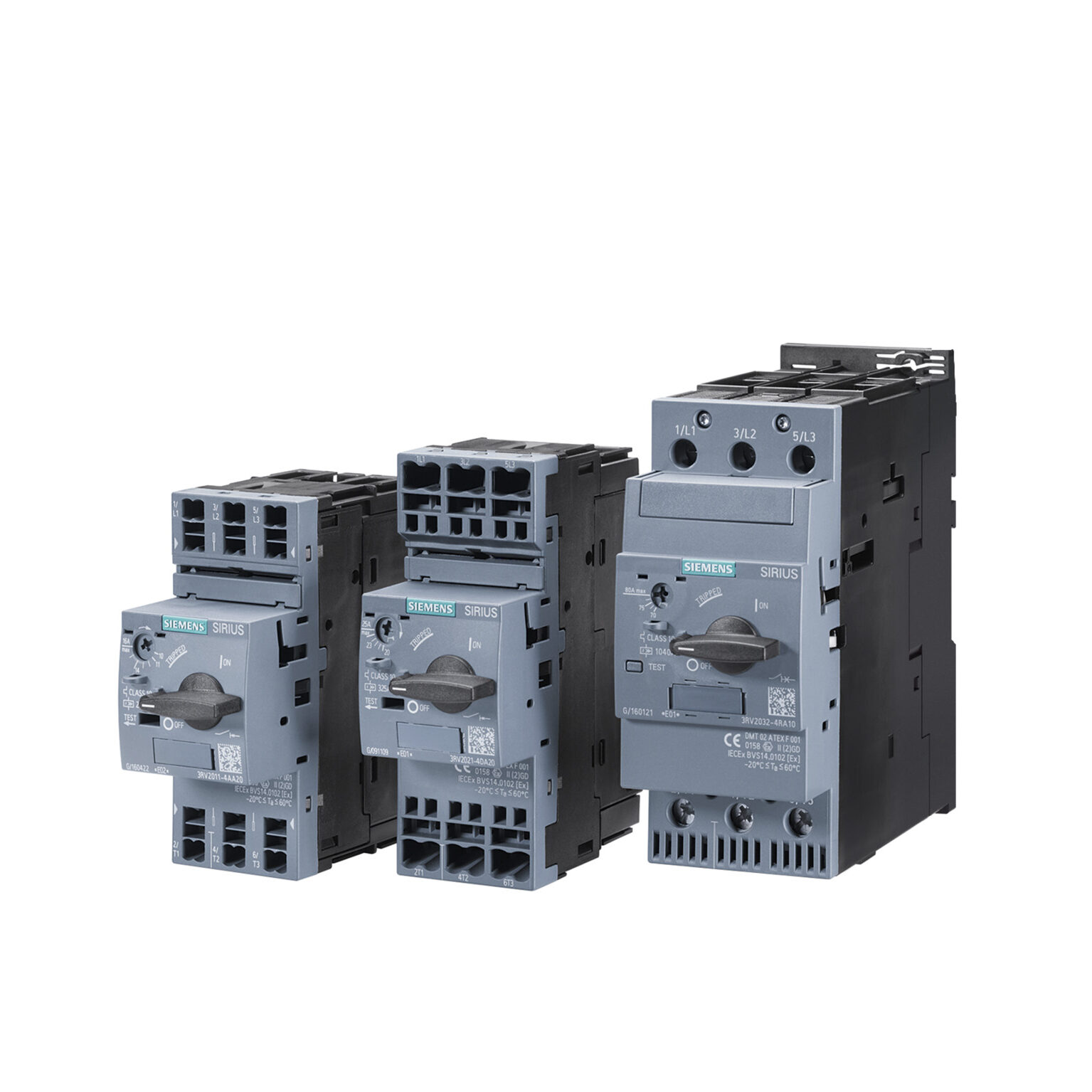
Siemens switches from biomass-balanced plastics (BASF)
First electrical safety product to include components made from biomass-balanced plastics. Used across industrial and infrastructure applications, Siemens SIRIUS 3RV2 circuit breaker is being manufactured using Ultramid® BMBcertTM and Ultradur® BMBcertTM from BASF, where fossil feedstock at the beginning of the value chain is replaced by biomethane derived from renewable sources such as agricultural waste. Both materials offer the same quality and performance as conventional plastics. © BASF
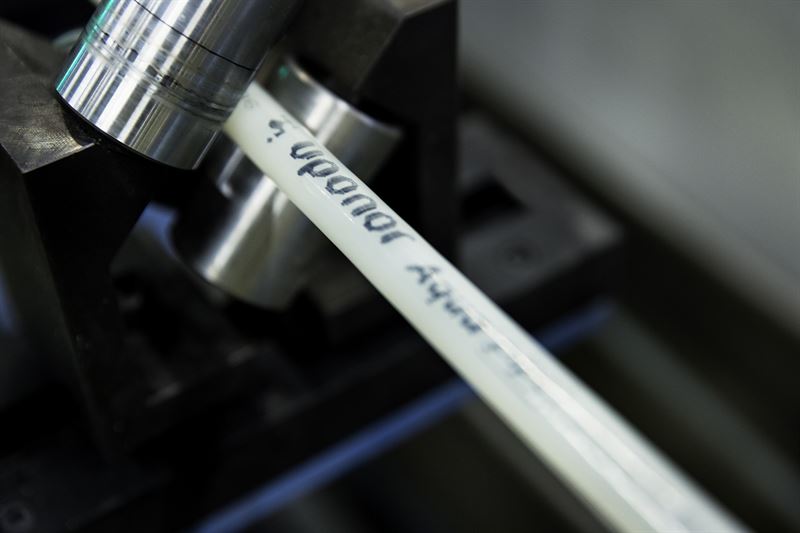
Uponor Comfort Pipe PLUS: cross-linked polyethylene pipe (Neste, Borealis)
Neste, Borealis, Uponor, Wastewise Group enable chemical recycling of hard-to-recycle plastic waste into new high-quality plastic pipes based on Borealis Borcycle™ C material. © Uponor
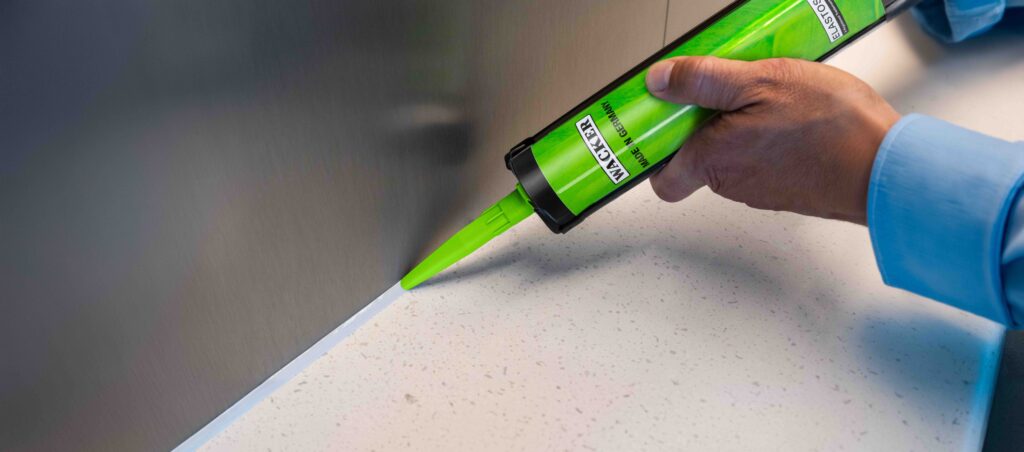
Silicone sealant based on mass-balenced materials (Wacker)
ELASTOSIL(R) eco is a silicone sealant based on a mass-balance approach, in order to replace fossil raws and reduce the CO2 footprint. To further facilitate the environmental benefits, this material is packed in PCR (Post-consumer recyclate) cartridges. © Wacker
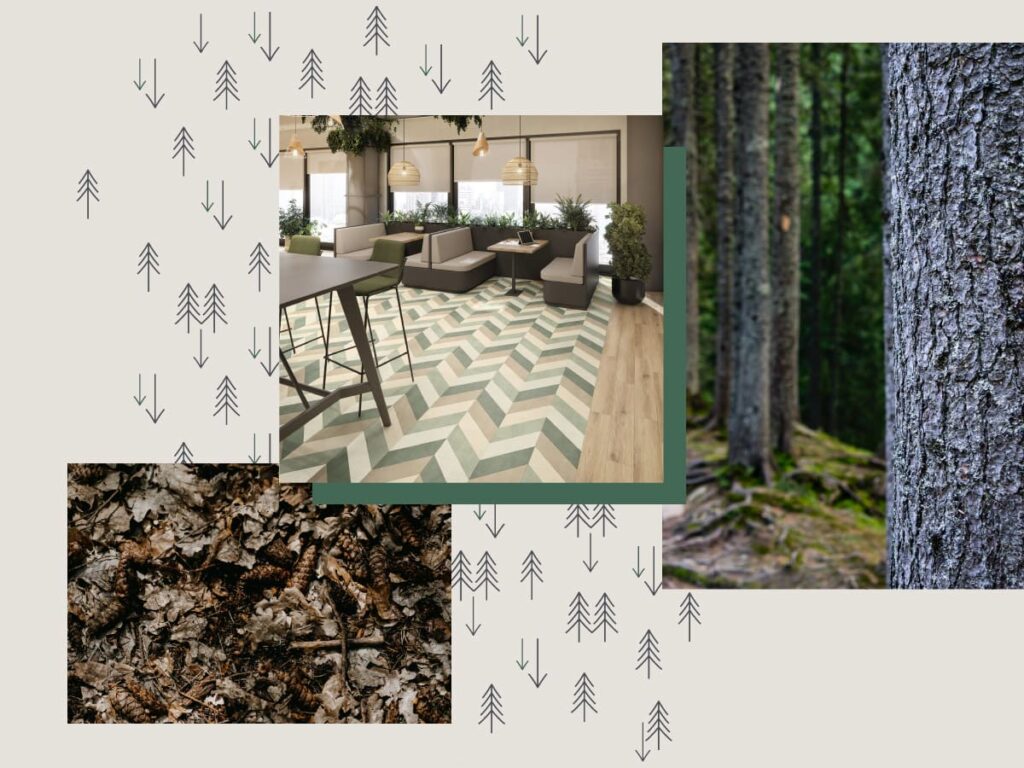
Luxury Vinyl Tiles (LVTs) made from bio-circular PVC (Vynova)
British flooring manufacturer Amtico uses bio-circular PVC from Vynova to produce its bio-attributed LVT flooring, Amtico Bio. The PVC is made using ethylene from waste and residues of biological origin, reducing the flooring’s carbon footprint while maintaining performance and design quality. © Amtico Flooring
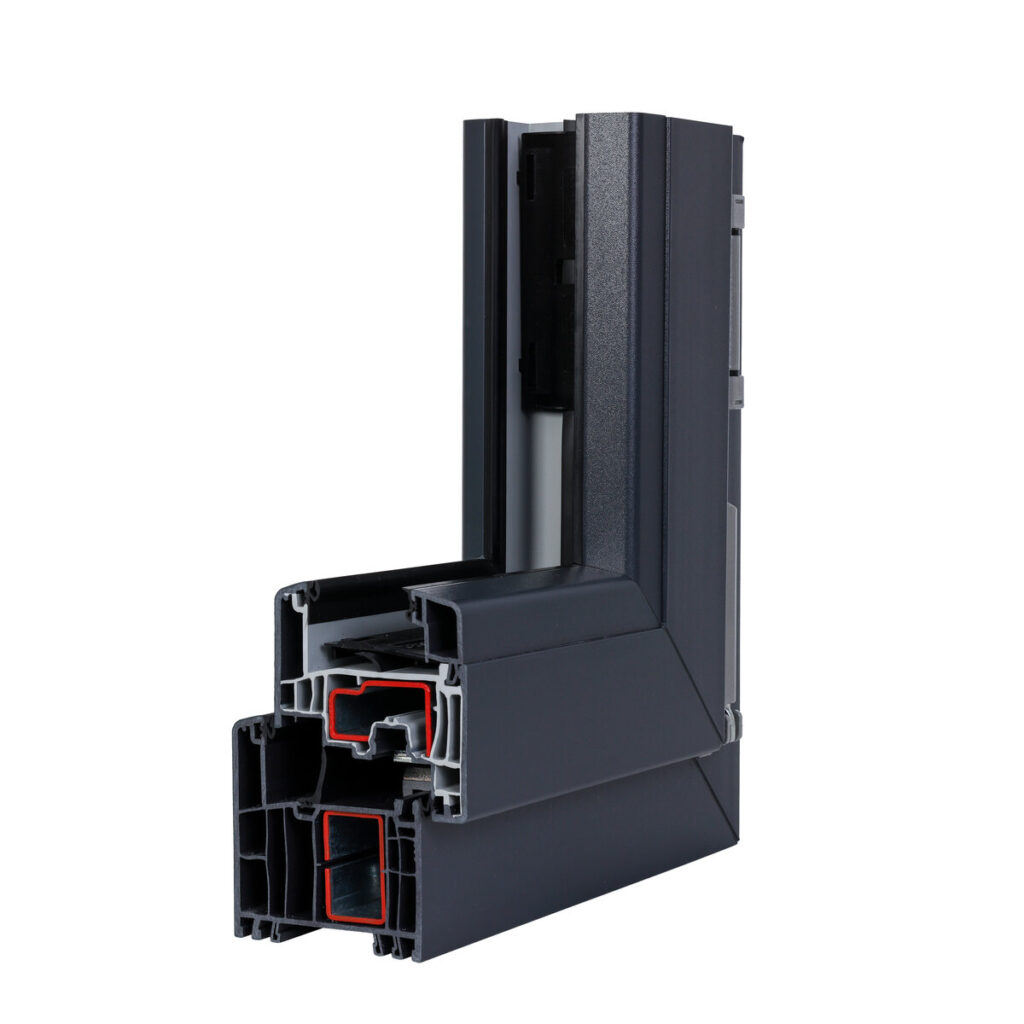
Window profiles made from bio-attributed PVC (GEALAN and Westlake Vinnolit)
GEALAN window profile made from Vinnolit GreenVin® bio-attributed PVC, which is produced with renewable electricity and ISCC PLUS-certified renewable ethylene from circular biomass. The CO2 savings of this type of GreenVin® bio-attributed PVC is about 90%, compared to conventionally produced ®Vinnolit PVC. The profile core is made from mechanically recycled PVC. [The profile is available in white and all RAL colors.]
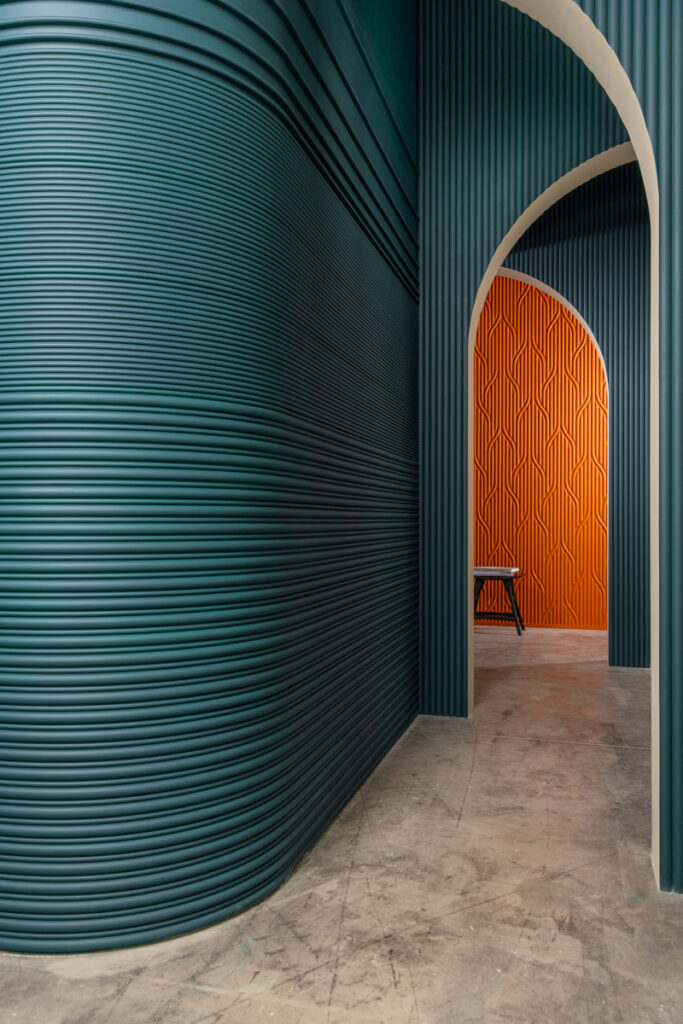
3D Wall panels made out of 100% renewable feedstock (INEOS Styrolution)
Orac uses the ISCC PLUS-certified Styrolution® PS ECO materials in combination with recycled PS to enable decorative interior 3D Duropolymer® panels, containing ZERO fossil virgin content. © Orac
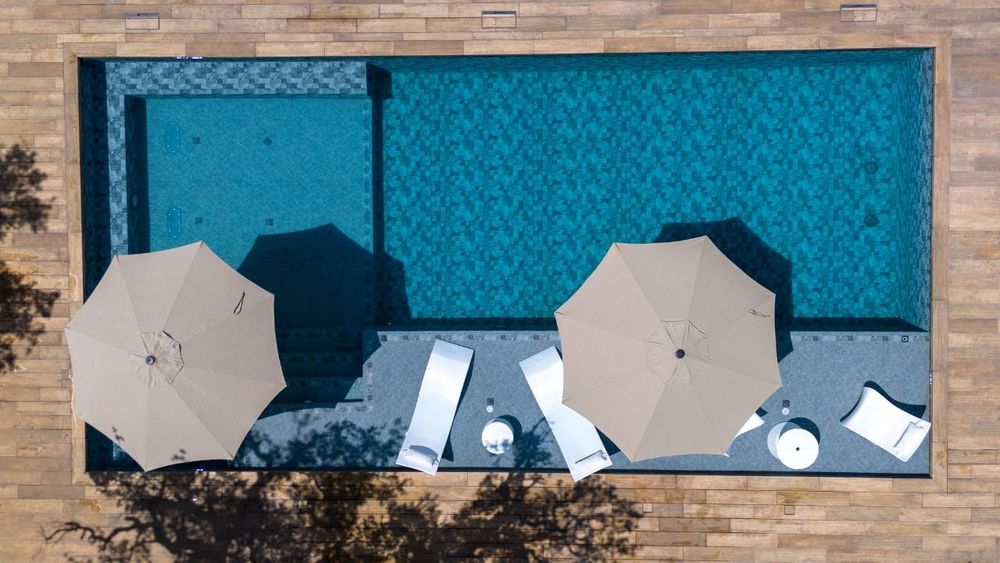
Vinyl pool liner with bio-circular PVC (Vynova)
French film and membrane producer CGT ALKOR manufactures a reinforced pool membrane using bio-circular PVC from Vynova, which is made with ethylene derived from waste and residues of biological origin. The membrane consists of two layers of high-quality PVC film reinforced with a woven polyester mesh, ensuring perfect waterproofing while offering a lower carbon footprint than conventional pool liners. © CGT Alkor
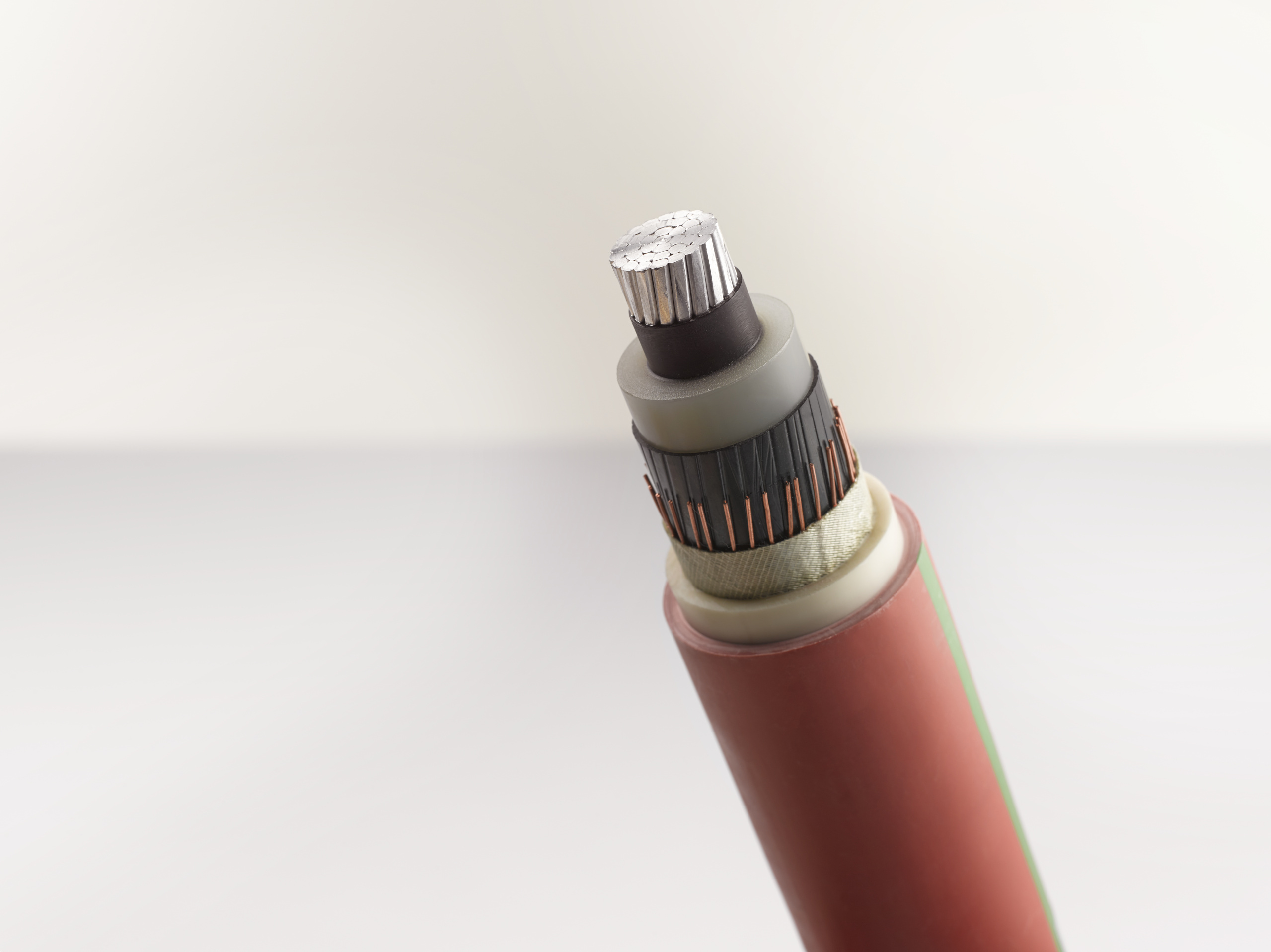
Cable insulation with 50% PCR (Borealis)
Medium Voltage cable with a jacket containing 50% post-consumer recycled (PCR) polymer made from Borcycle™ ME7153SY. © Borealis
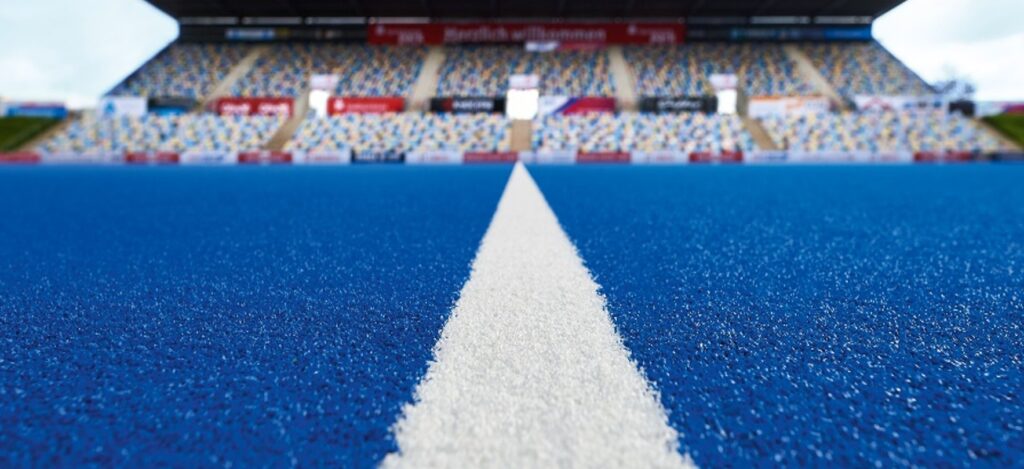
Sport surfaces from bio-based polyethylene (Braskem)
Polytan is partnering with Braskem to develop sustainable sports surfaces using I’m green™ bio-based polyethylene. Combining renewable materials and advanced recycling technologies, the solution helps reduce the environmental impact of athletic infrastructure while supporting long-term performance – making Polytan pioneers in sustainable sports surfaces. © Polytan
Textilrecycling und
nachhaltige Kunststofffasern
Textilrecycling und nachhaltige Kunststofffasern leisten einen wichtigen Beitrag zur Kreislaufwirtschaft. Durch den Einsatz recycelter und erneuerbarer Rohstoffe, innovative Materialien und moderne Recyclingverfahren können Ressourcen geschont und der CO₂-Fußabdruck von Textilien reduziert werden. Die folgenden Beispiele zeigen innovative Lösungen für eine nachhaltigere Textilindustrie.
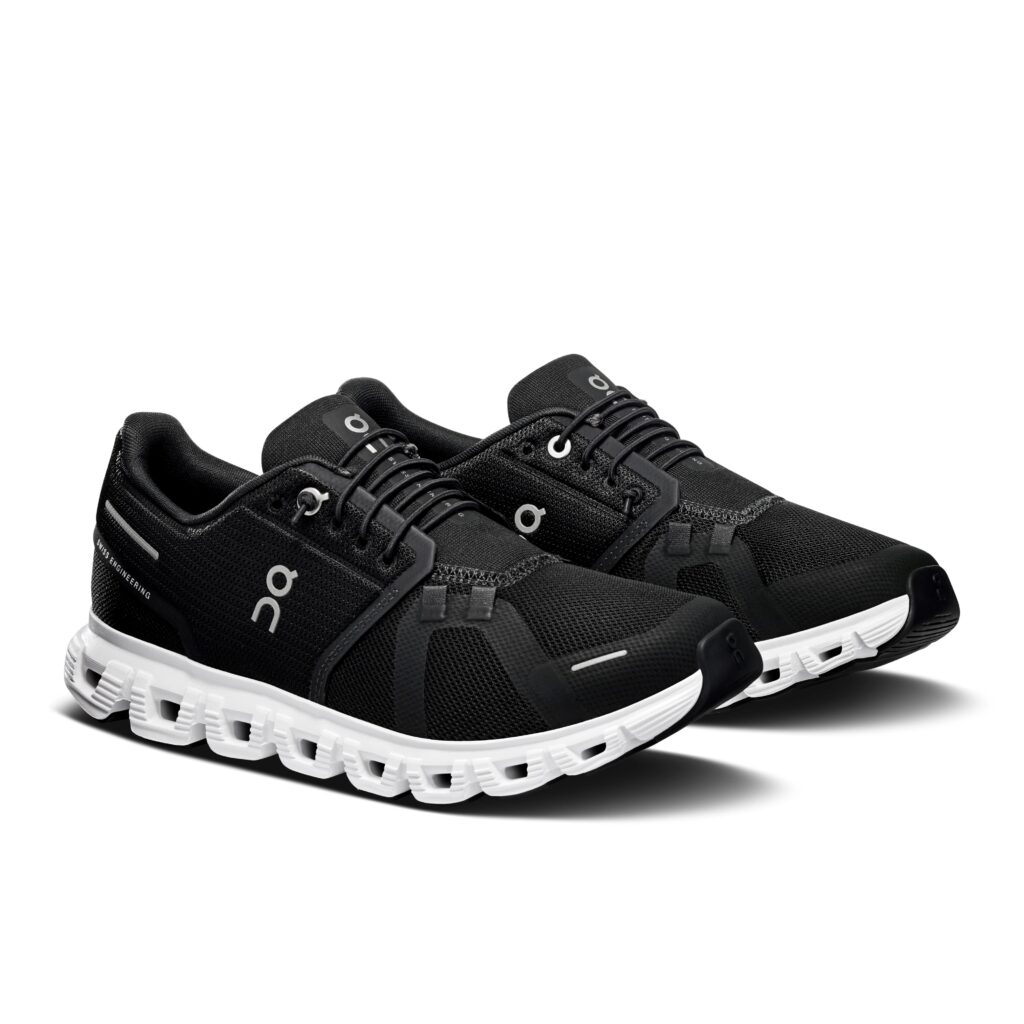
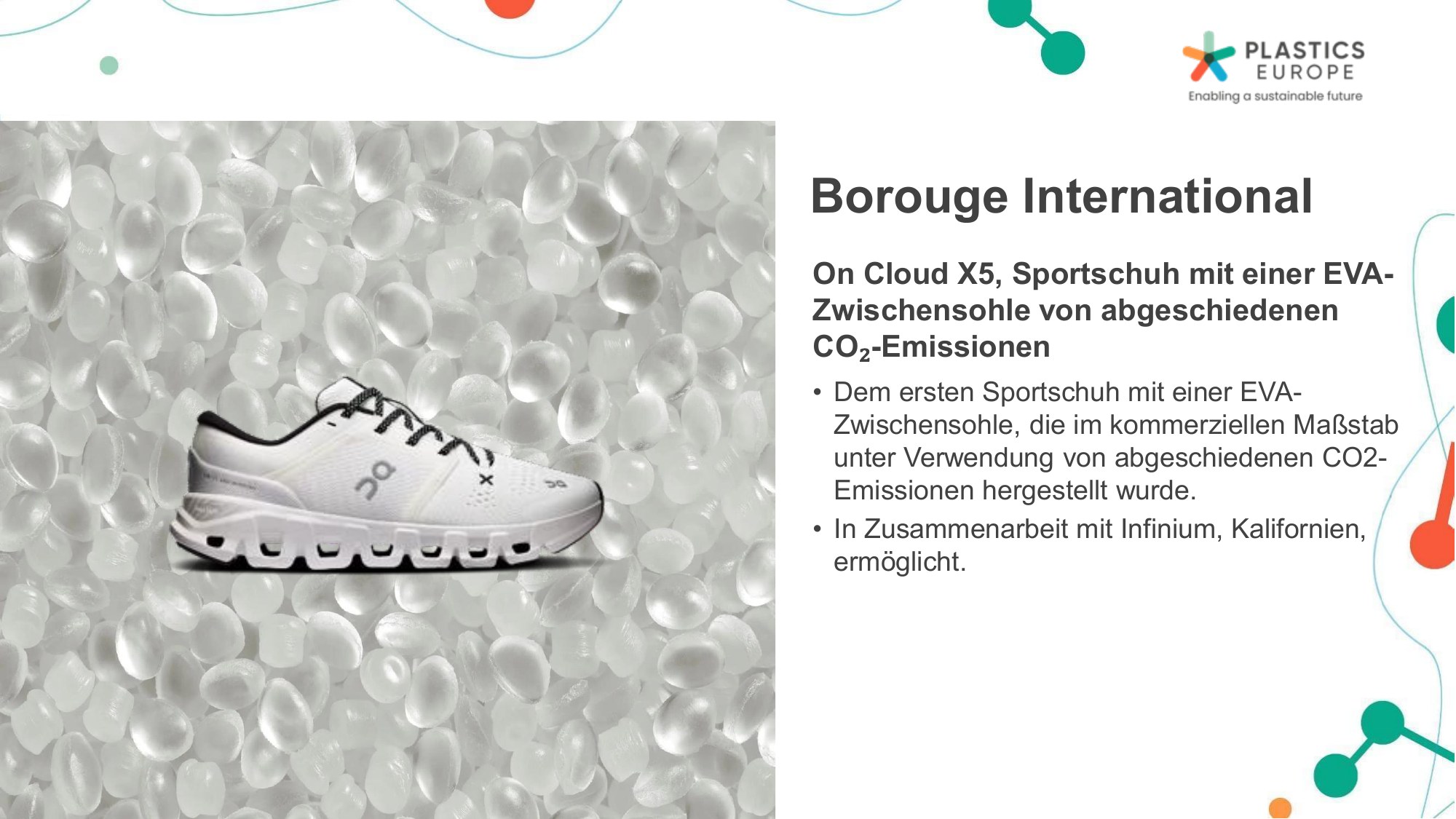
Cloud 6 model from On with midsole crafted with Borealis‘ EVA-grade made from renewable feedstocks (Borealis)
Borealis launches renewables-based ethylene vinyl acetate (EVA) solution developed specifically for footwear midsole applications
The new grade is part of Borealis’ Bornewables™ portfolio of premium solutions made from renewable feedstocks, delivering virgin-quality performance while reducing reliance on fossil-based materials. The first application of the new EVA grade is in a pair of lifestyle shoes by Swiss brand On. © On
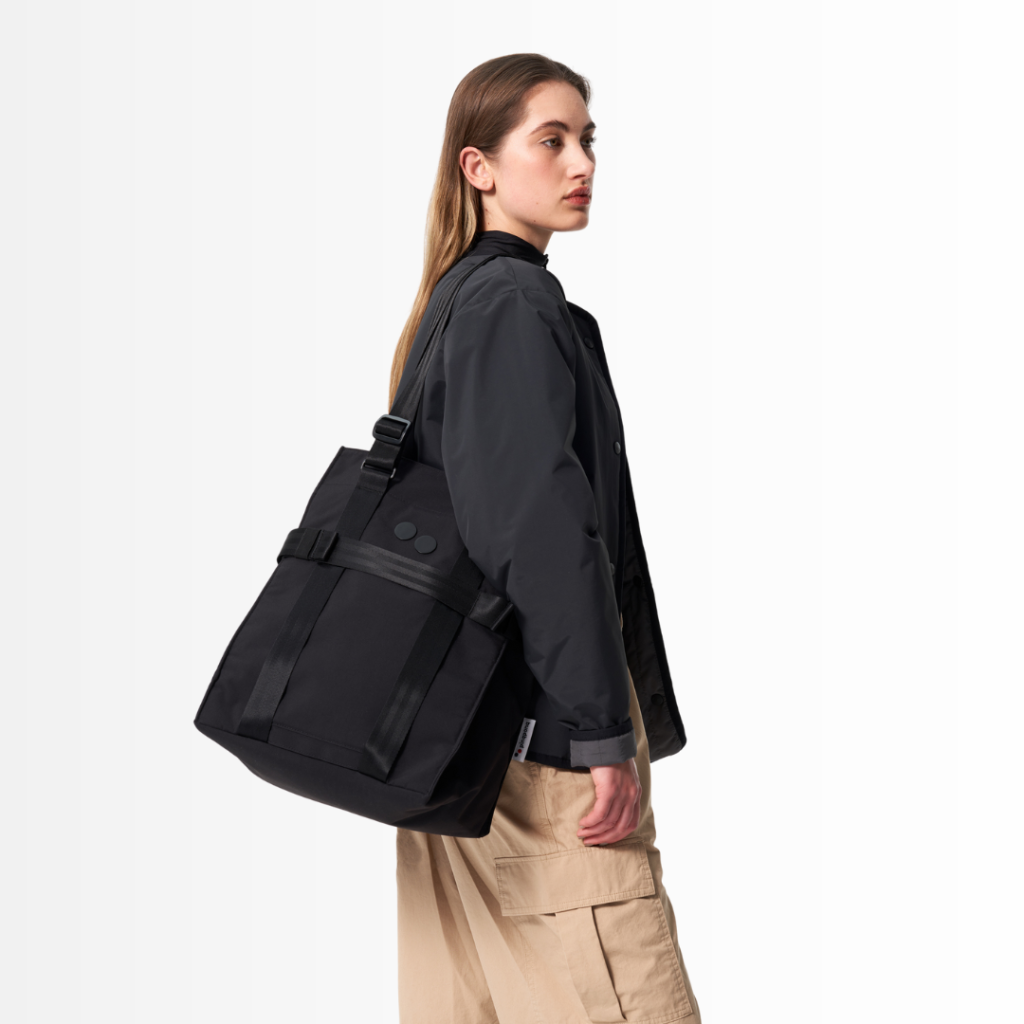
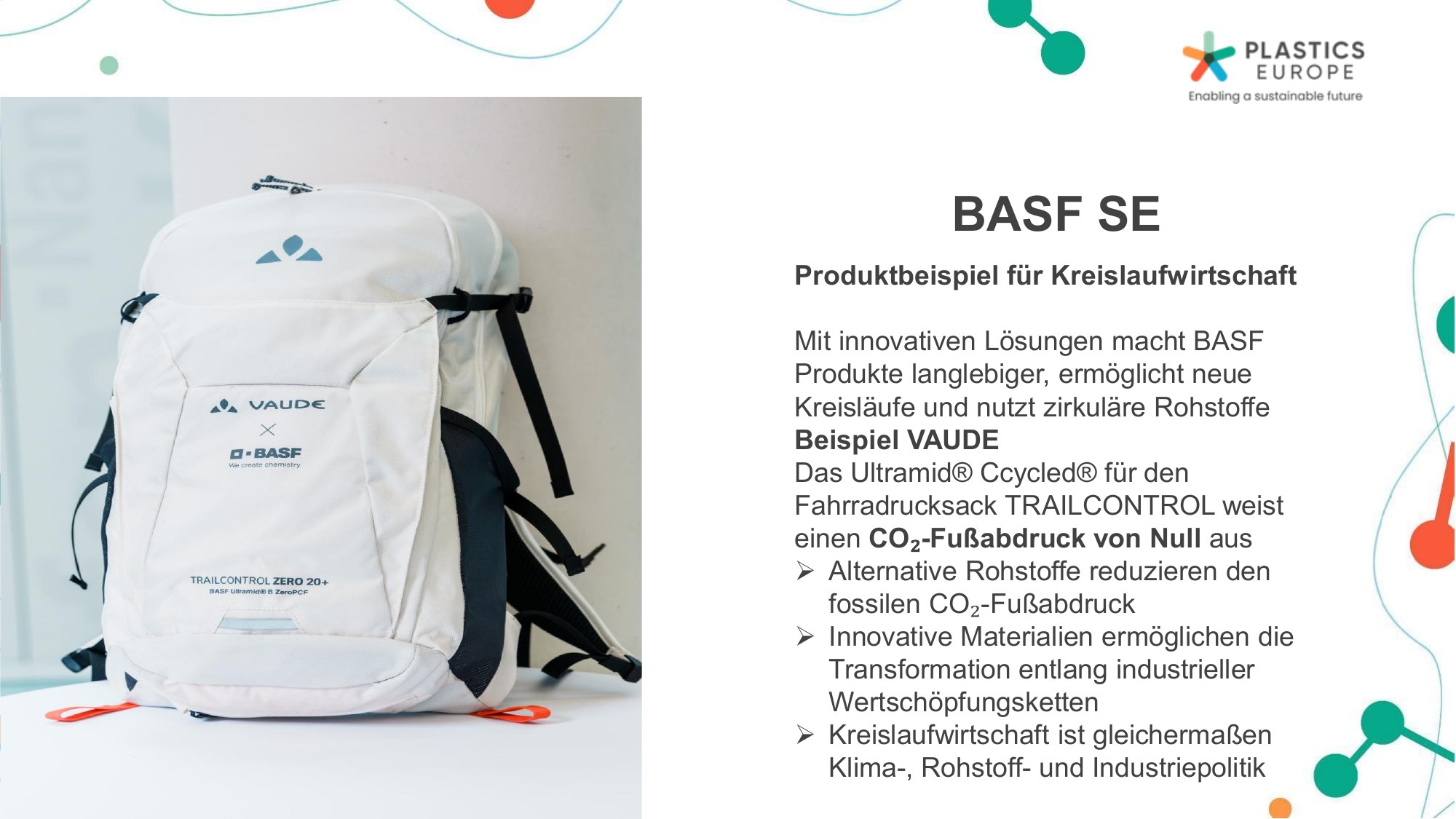
Bicycle bag with reduced CO2 footprint thanks to mass-balanced Ultramid® Ccycled® (BASF)
Pendik bike bag from pinqponq is a 2-in-1 bag that can be mounted on the bike rack. Since summer 2023, pinqponq has been using BASF’s sustainable polyamide Ultramid® Ccycled® in the production process of the outer material of their SOLID products. At the beginning of the production process, the raw material required to manufacture the material is replaced by pyrolysis oil from chemically recycled old tires and added to the polyamide using a mass balance approach. © pingponq
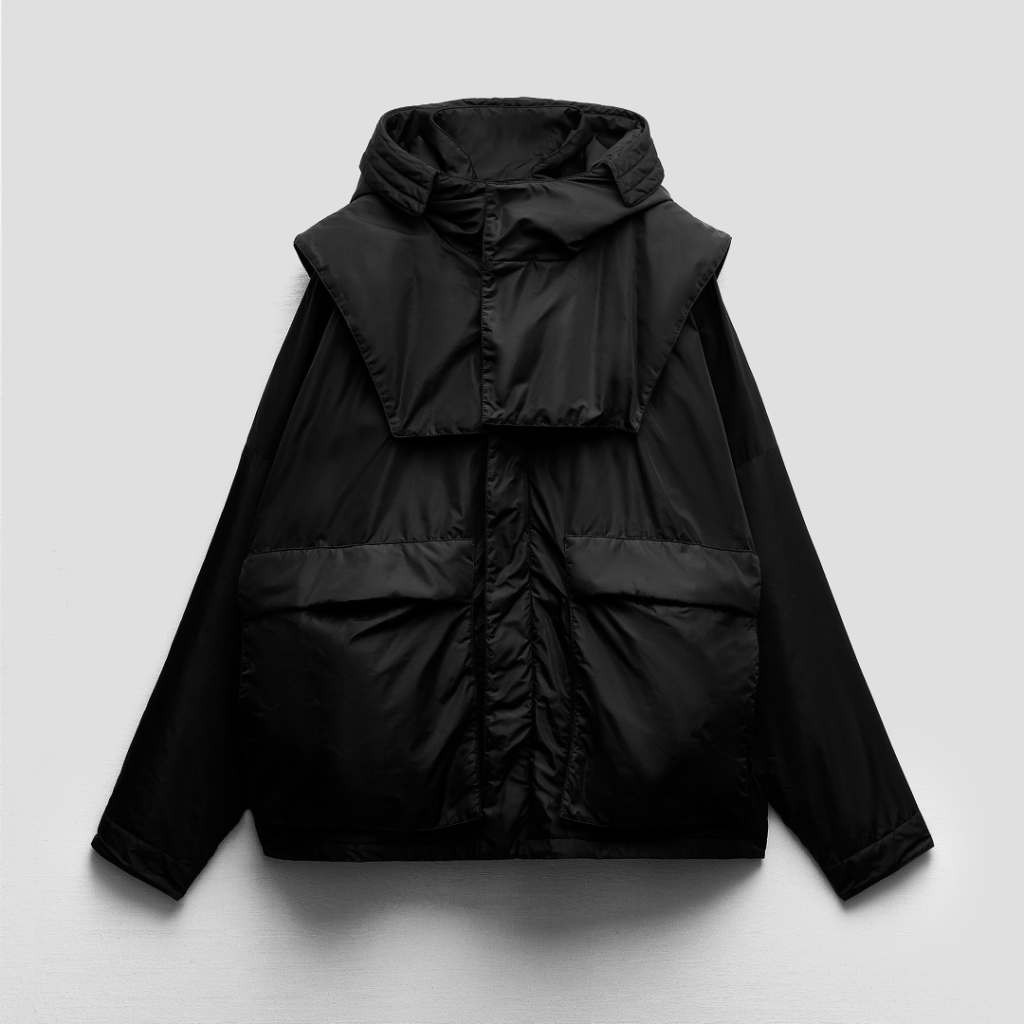
Textile-to-textile recycling with loopamid® (BASF)
With loopamid, BASF has developed an innovative solution to improve circularity in the fashion industry and recycle polyamide 6 textile waste. Due to its capability to tolerate all fabric mixtures like PA6 and elastane, the technology behind loopamid allows textile-to-textile recycling of post-industrial and post-consumer textile waste. The fibers and materials can be recycled over multiple cycles. At the same time, the material characteristics are identical to those of conventional virgin polyamide. © BASF
Kunststoffinnovationen in der
Automobilindustrie und nachhaltigen Mobilität
Kunststoffe spielen eine Schlüsselrolle für die Mobilität der Zukunft. Innovative Materialien ermöglichen leichtere Fahrzeuge, verbessern die Energieeffizienz und unterstützen den Einsatz recycelter sowie zirkulärer Rohstoffe. Die folgenden Beispiele zeigen, wie Kunststoffinnovationen in der Automobilindustrie zu Klimaschutz, Ressourcenschonung und Kreislaufwirtschaft beitragen.
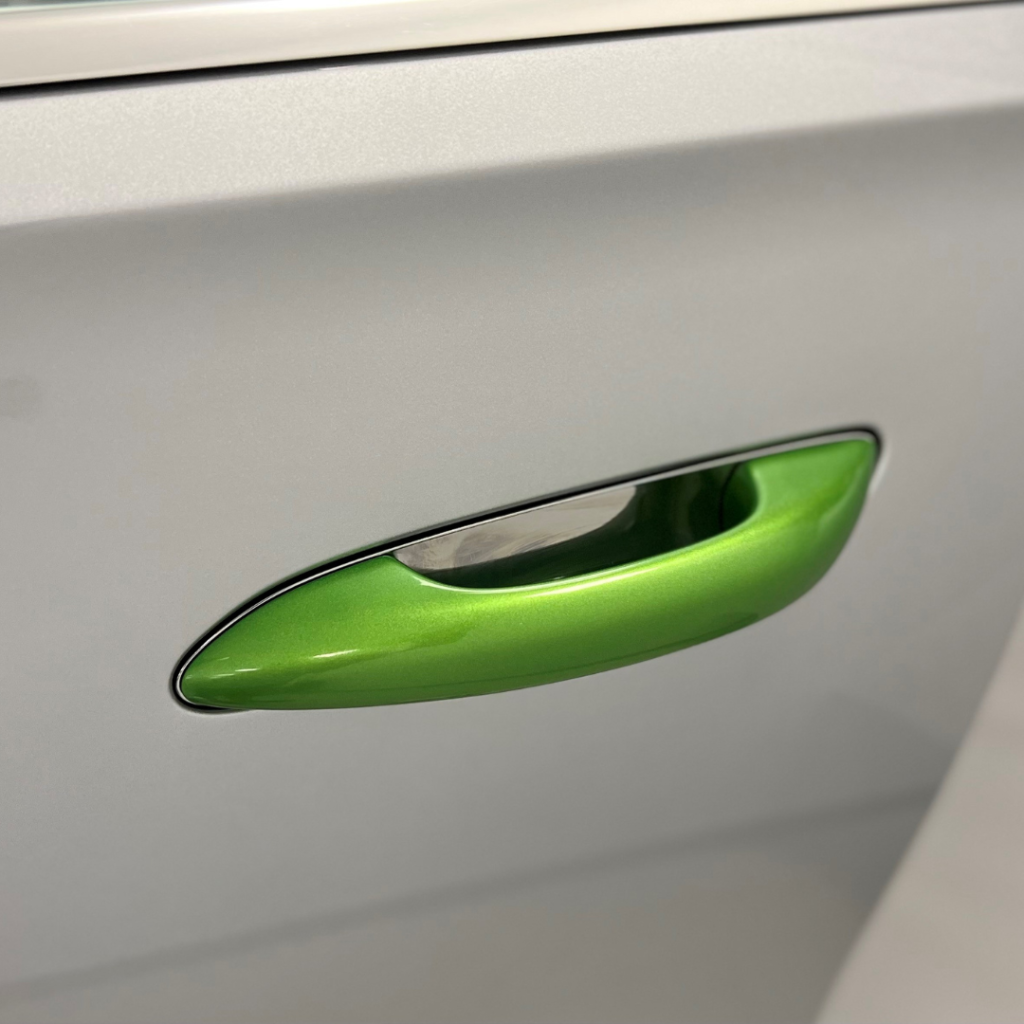
Bow door handle made from mass-balanced Ultramid® (BASF)
To produce the plastic for the bow door handle for selected Mercedes-Benz models, BASF combined alternative raw materials in a mass balance approach: pyrolysis oil generated at Pyrum Innovations AG from scrap tires and biomethane from agricultural waste and food industry residues. © Mercedes-Benz
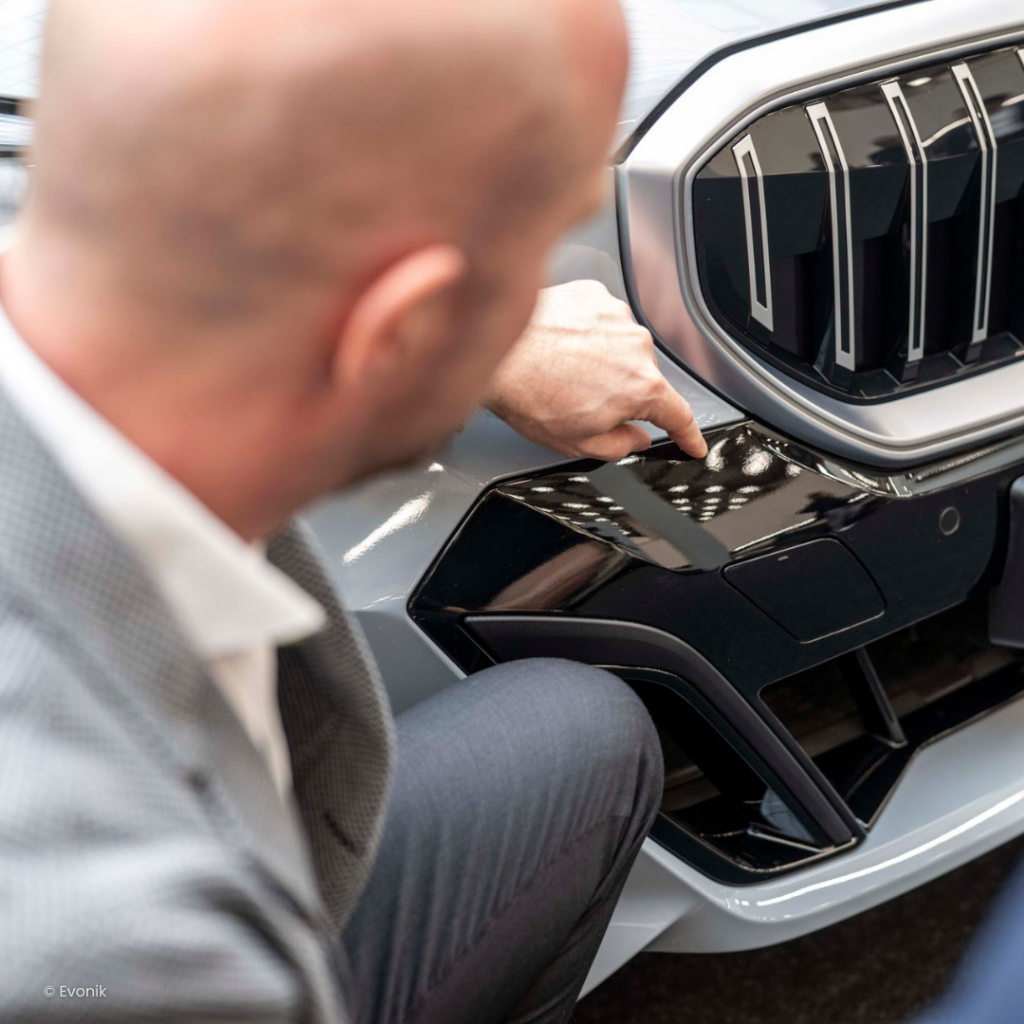
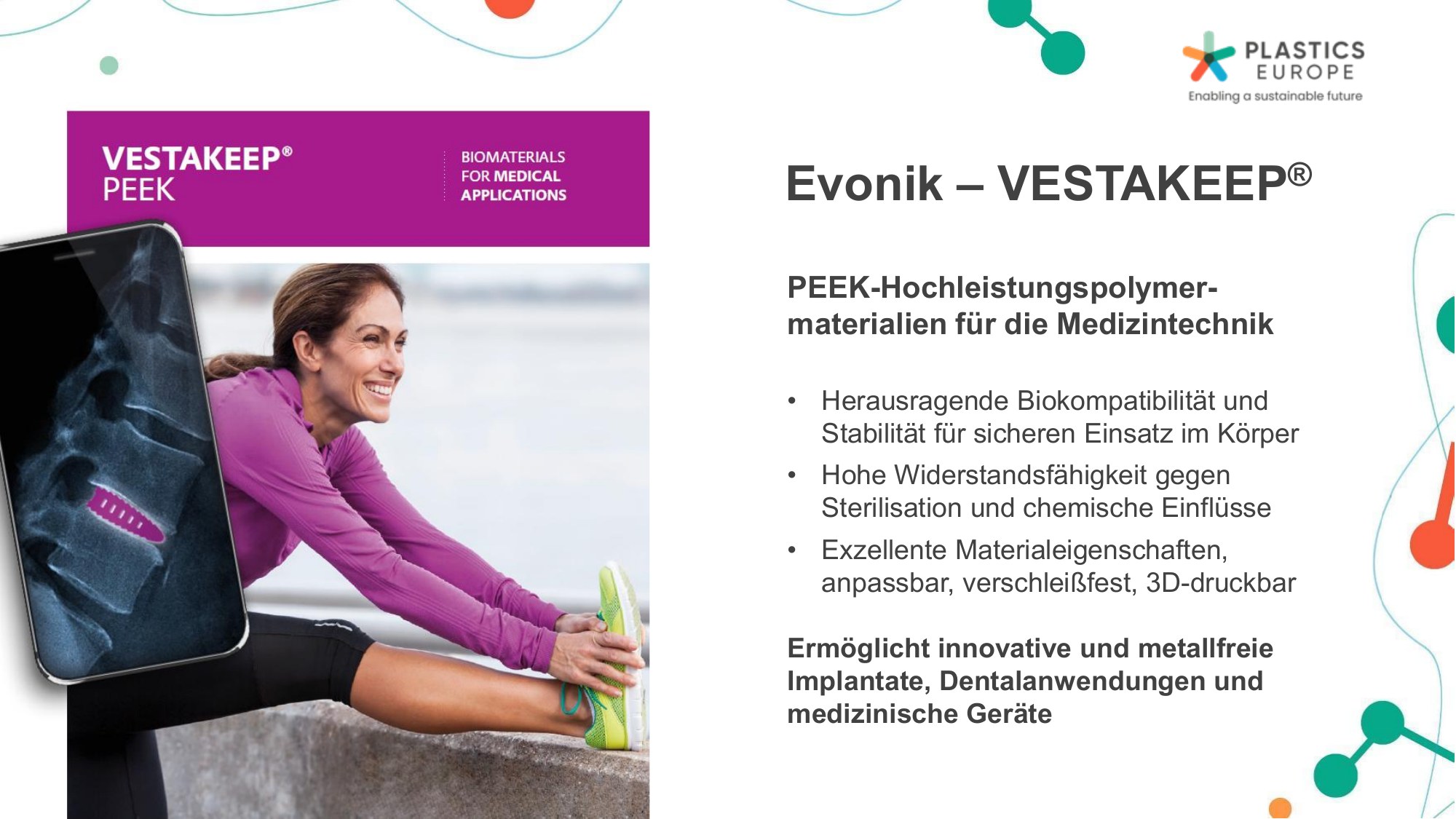
Making car materials more sustainable (Evonik)
Evoniks future sustainable car materials are making autos more sustainable. © Evonik
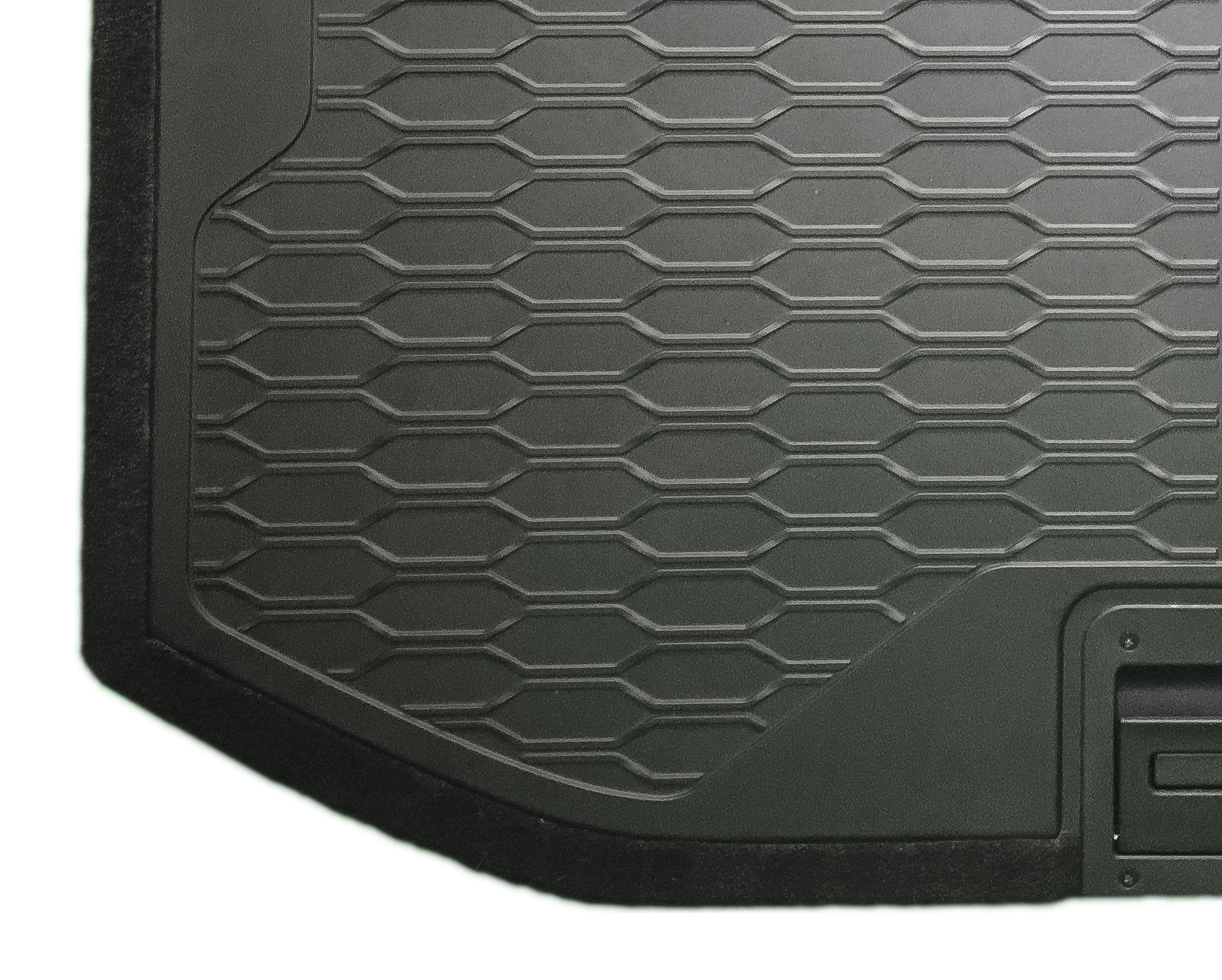
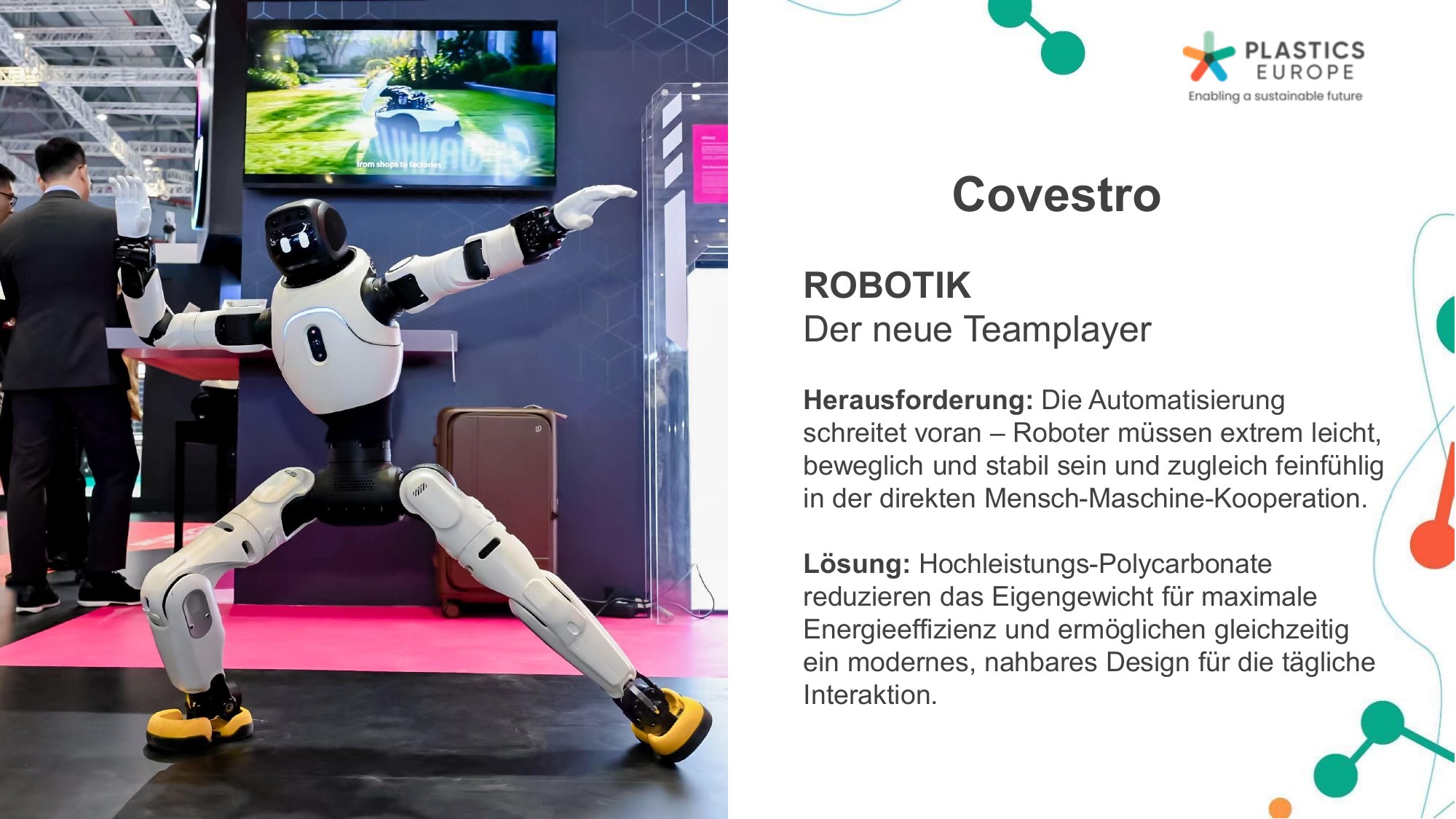
Design-for-Circularity Load Floor Concept (Covestro)
The exhibit is to demonstrate how the versatility of Polyurethane can be used to create Automotive product concepts that are designed to enable chemical recycling by reducing the overall amount of different plastics. The load floor concept reduces the amount of materials used to only glass fibre and different polyurethane grades. © Covestro
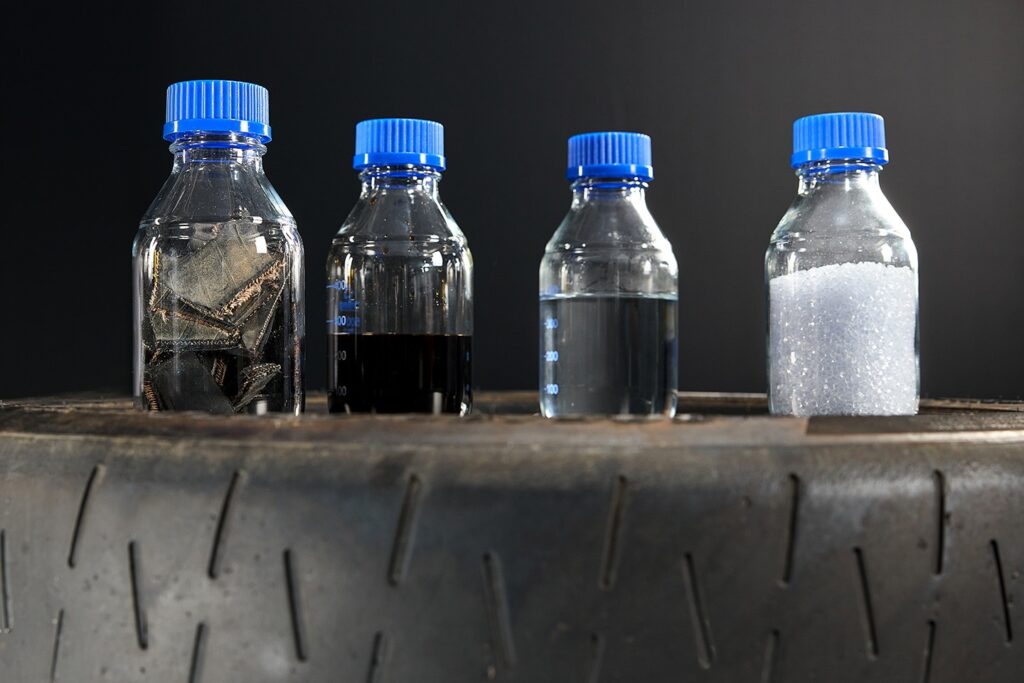
Turning Old Tires Into New Car Parts (Covestro)
Explaining the process of the recycling of old tires into new products (car parts). © Covestro
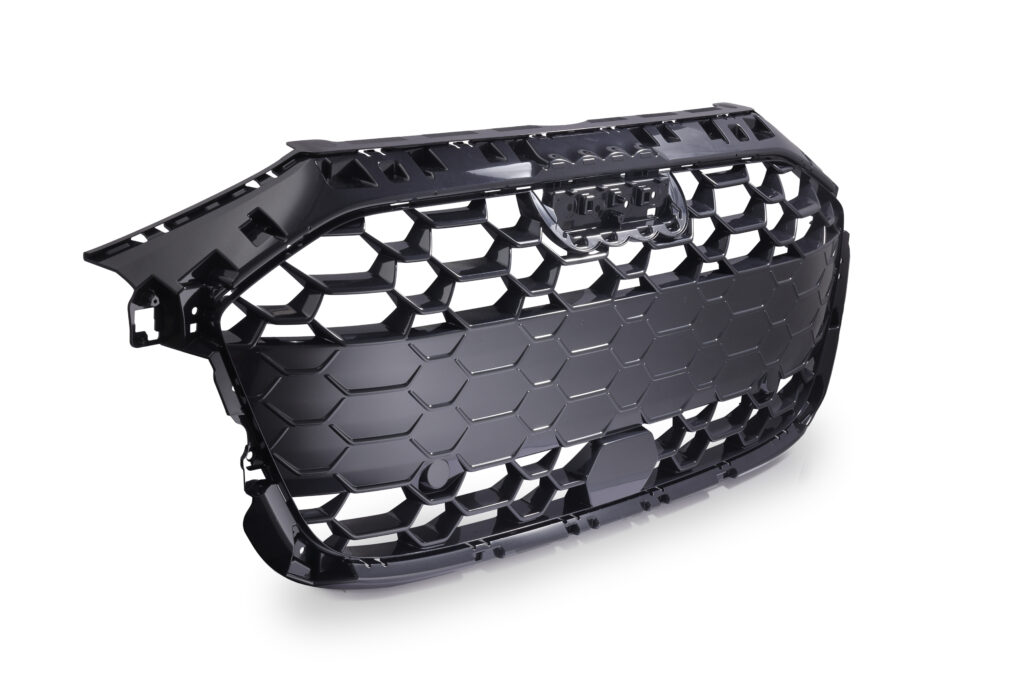
Painted radiator grille (Mocom)
The exhibit features a painted radiator grille for the Audi A3, produced from a PC/PET compound containing 27% recycled material using a post-industrial closed-loop process. This innovative component demonstrates how sustainability and circular economy principles can be successfully integrated into automotive design.

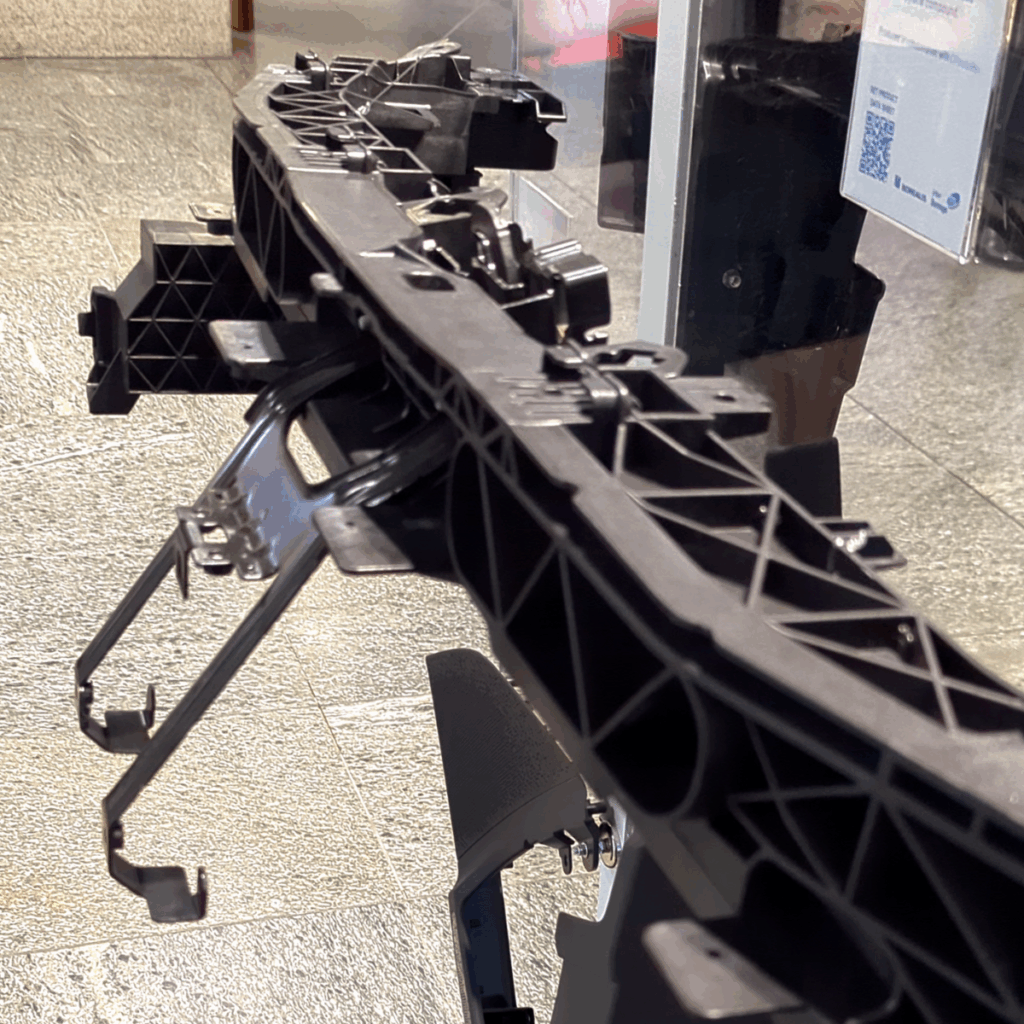
Mercedes-Benz frontend crash absorber (Borealis)
Mercedes-Benz frontend crash absorber made from Fibremod™ GD302HP-9502 a 30% glass fiber reinforced polypropylene compound. Produced in collaboration with OPmobility. © Mercedes-Benz
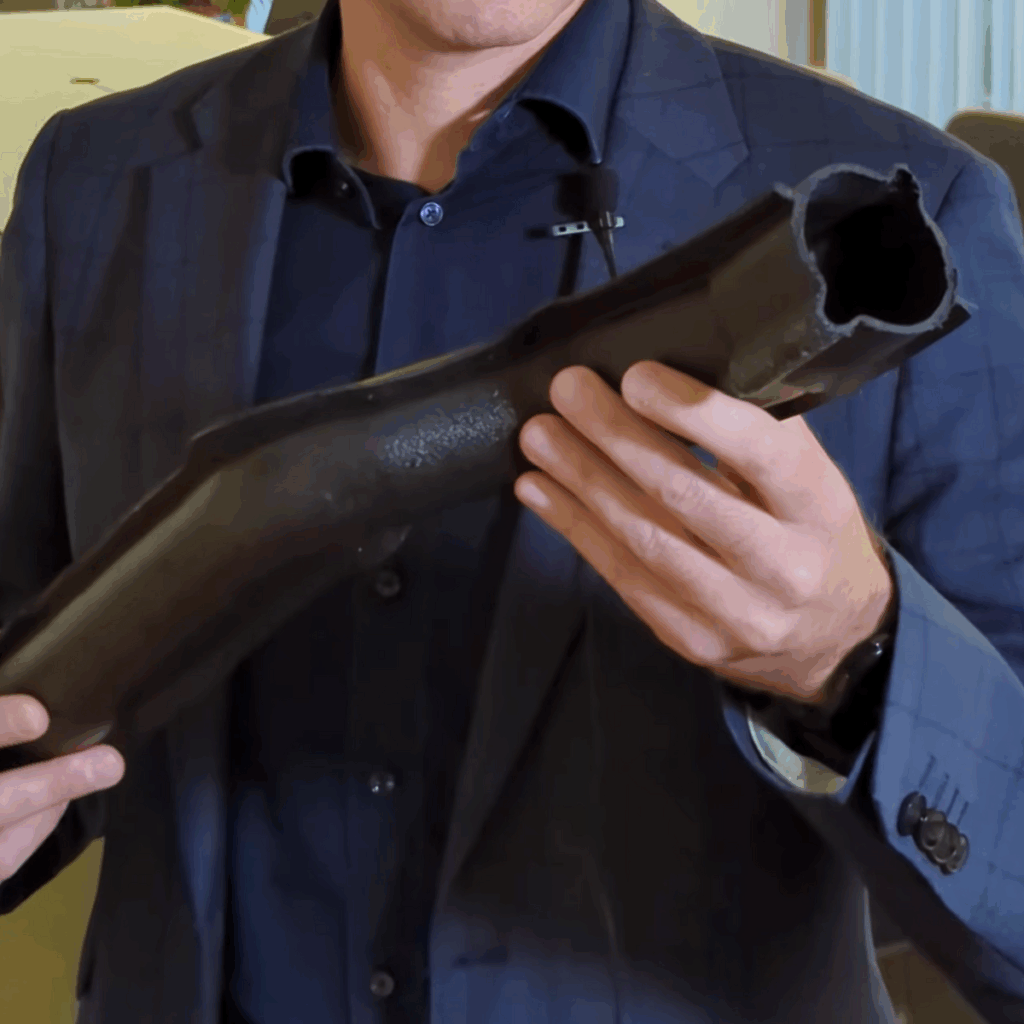
Ultralightweight interior duct (Borealis)
Ultralightweight interior duct concept study made from Daploy™ WB140HMS a high melt strength polypropylene. Produced in collaboration with
AER Stafford and Abriso Jiffy.
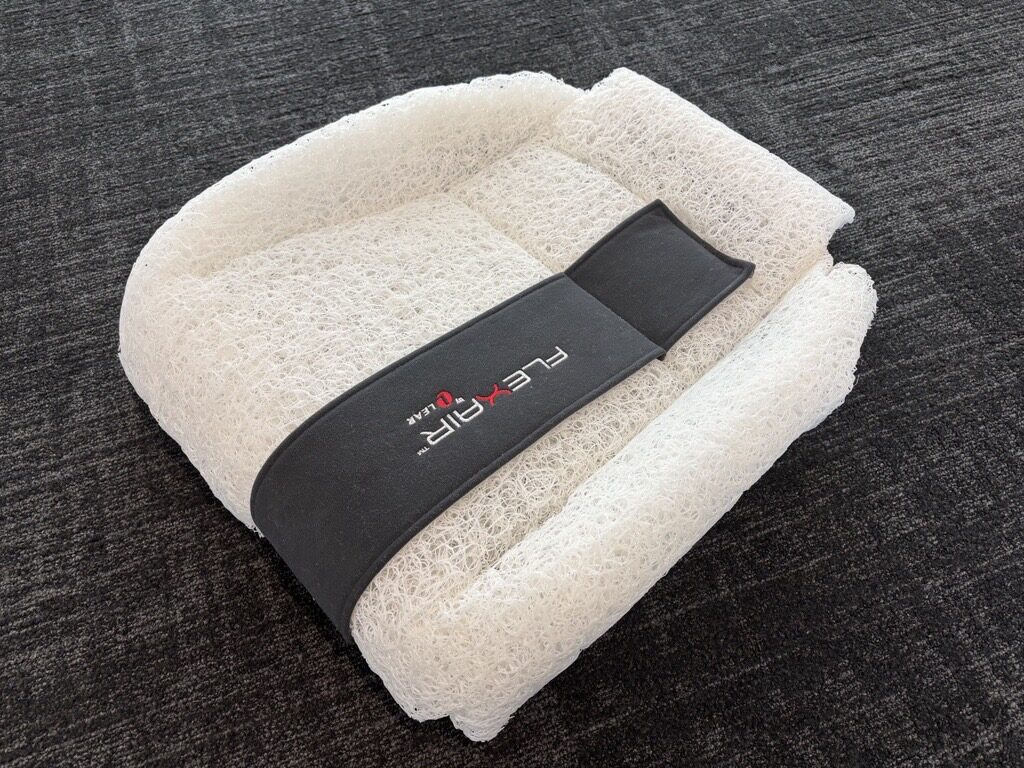
INFINAIR™ 3D Loop Technology for Automotive Seating (Dow)
INFINAIR™ Polymers for 3D Loop Technology offers a sustainable, high-performance option for seating, cushioning, and insulation in vehicles.
As well as being designed for comfort, INFINAIR™ Polymers for 3D Loop Technology offer a range of additional benefits: Very low moisture retention, Designed for recyclability, Low odor and VOCs, Breathability, Excellent thermal management, Washability. © Dow
Zirkuläre Rohstoffe für die Kreislaufwirtschaft
Zirkuläre Rohstoffe sind ein wichtiger Baustein der Kreislaufwirtschaft. Durch den Einsatz recycelter, biobasierter und erneuerbarer Rohstoffe können fossile Ressourcen geschont, CO₂-Emissionen reduziert und Wertstoffe länger im Kreislauf gehalten werden. Die folgenden Beispiele zeigen innovative Ansätze für eine nachhaltige Kunststoffproduktion und eine zirkuläre Wirtschaft.
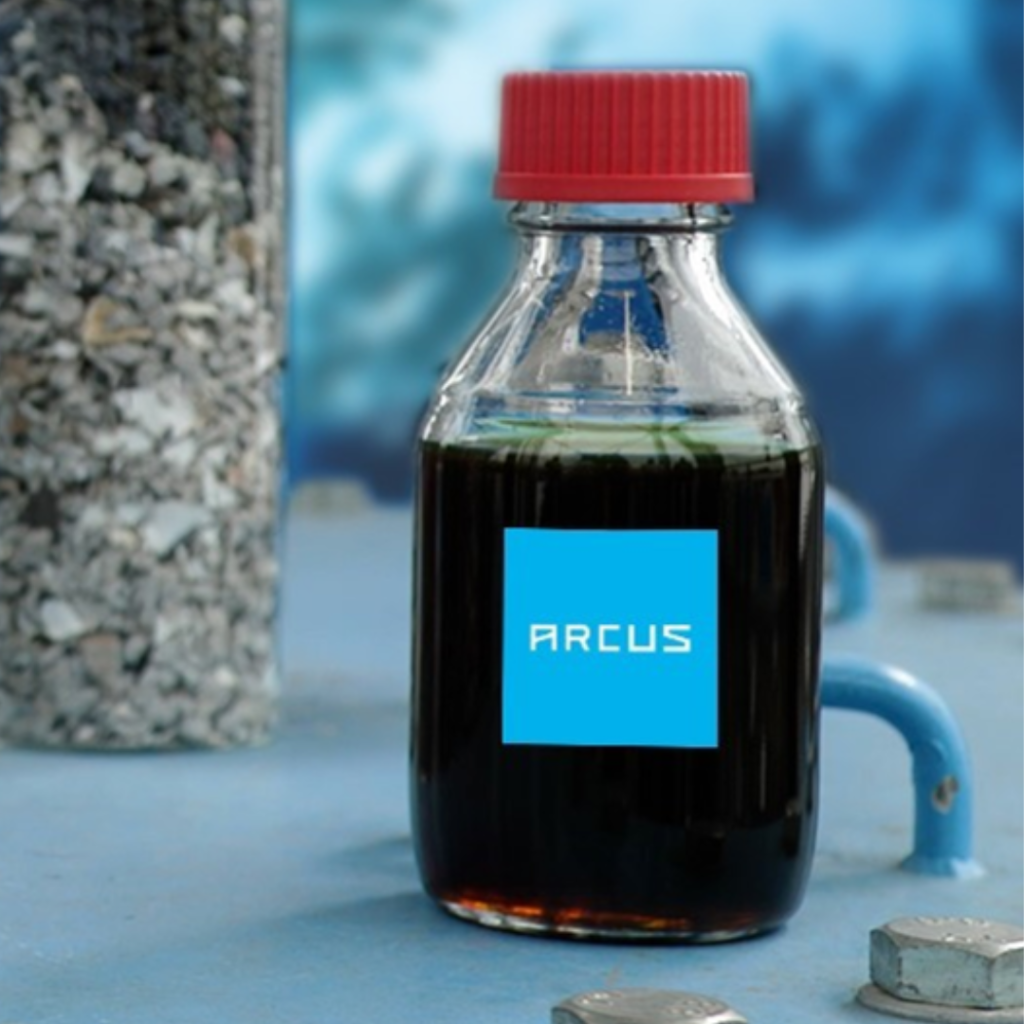
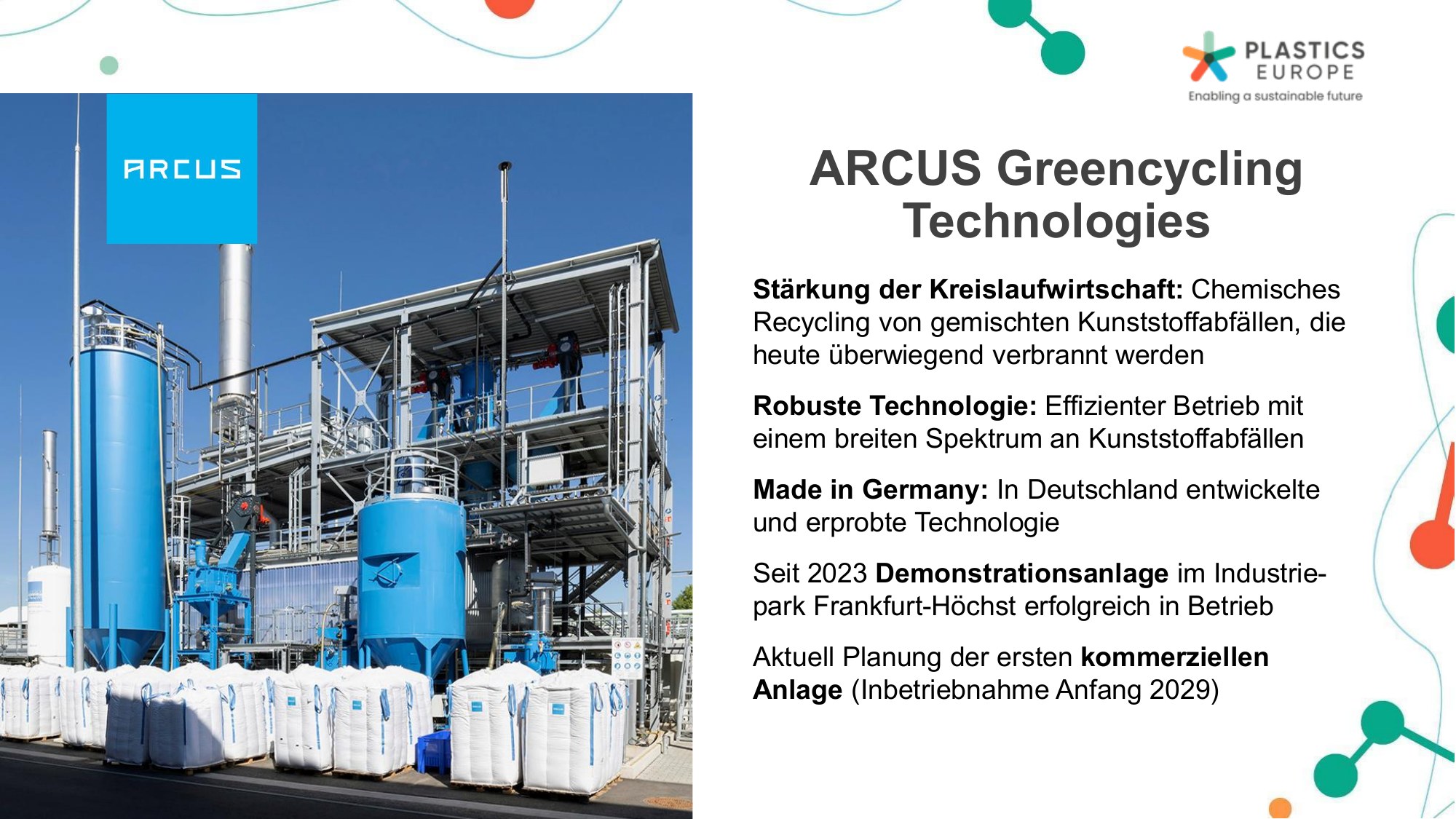
Pyrolysis oil condensates made of mixed waste (ARCUS)
The ARCUS process is a pyrolysis-based process that converts mixed plastic waste (including ABS, PET and PVC) and produces high-quality liquids that meet all regulatory requirements. © Arcus
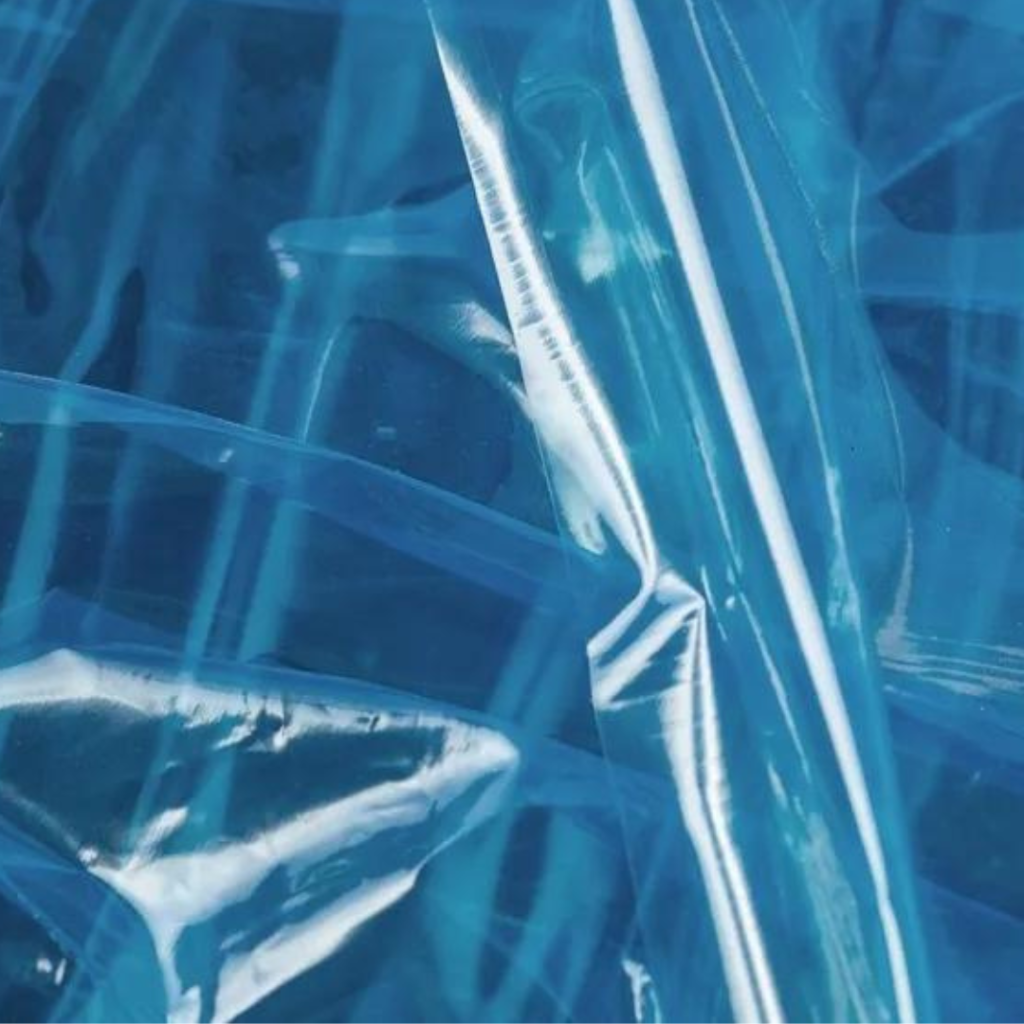
Recycled carbon (Neste)
Pure hydrocarbons made from chemically recycled plastics waste can be used to produce virgin-quality plastics again.
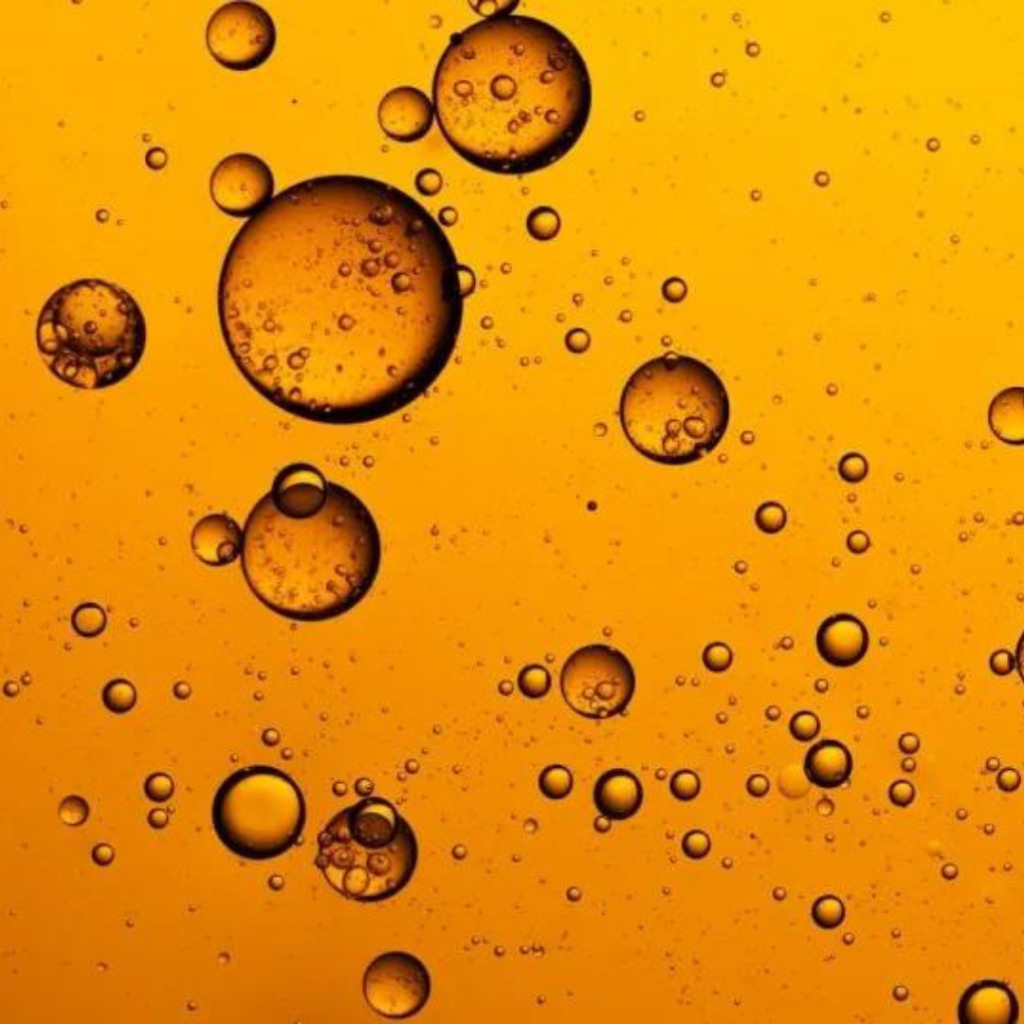
Renewable carbon (Neste)
Renewable Neste RE consisting of bio-based carbon is a solution for plastics producers wishing to reduce fossil carbon content in their products.
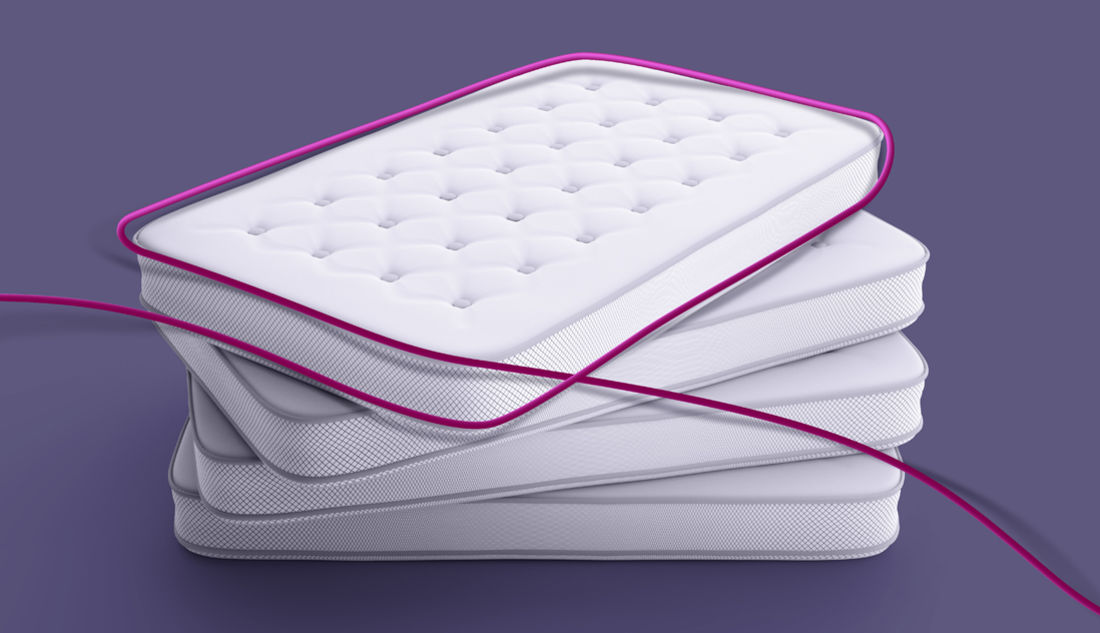
Polyurethane Recycling – Cycle for Foams (Evonik)
Evonik cooperates with REMONDIS on sustainable polyurethane recycling. © Evonik
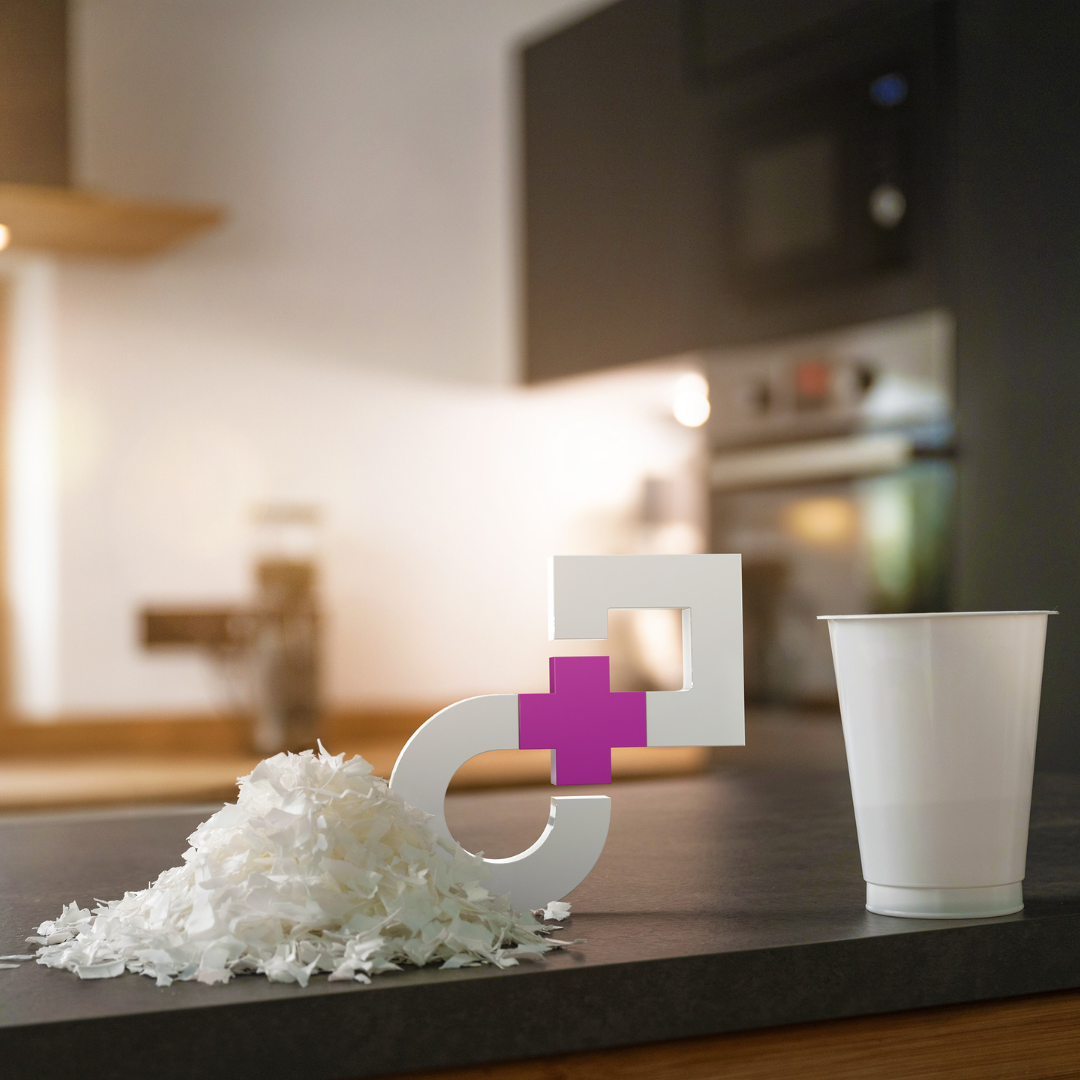
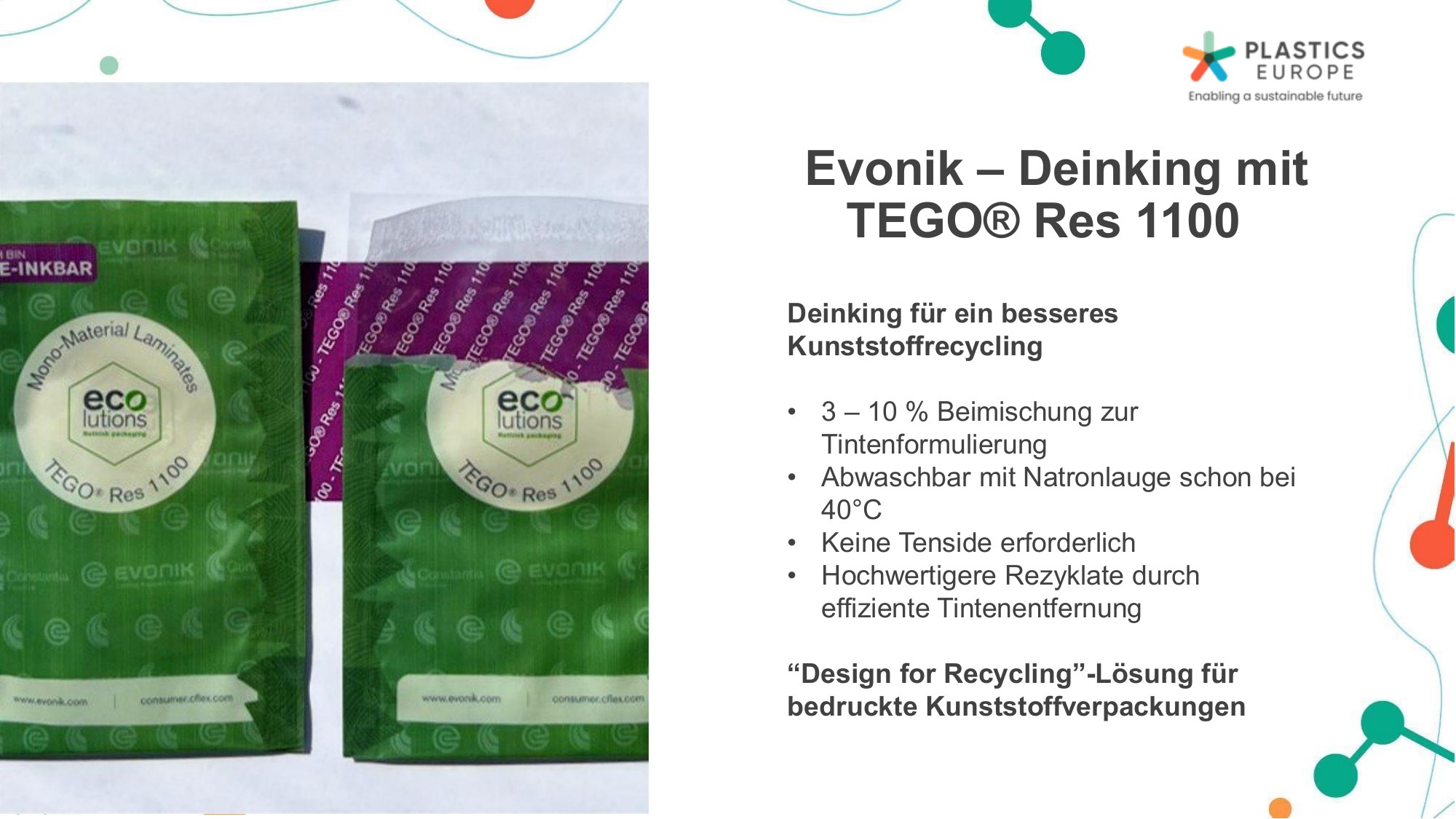
Additives for Recycling (Evonik)
Evoniks additive portfolio for wet stage, granulation and compounding: defoaming, delabeling, demetallizing, deinking, wetting, foaming, dewatering, draining. © Evonik
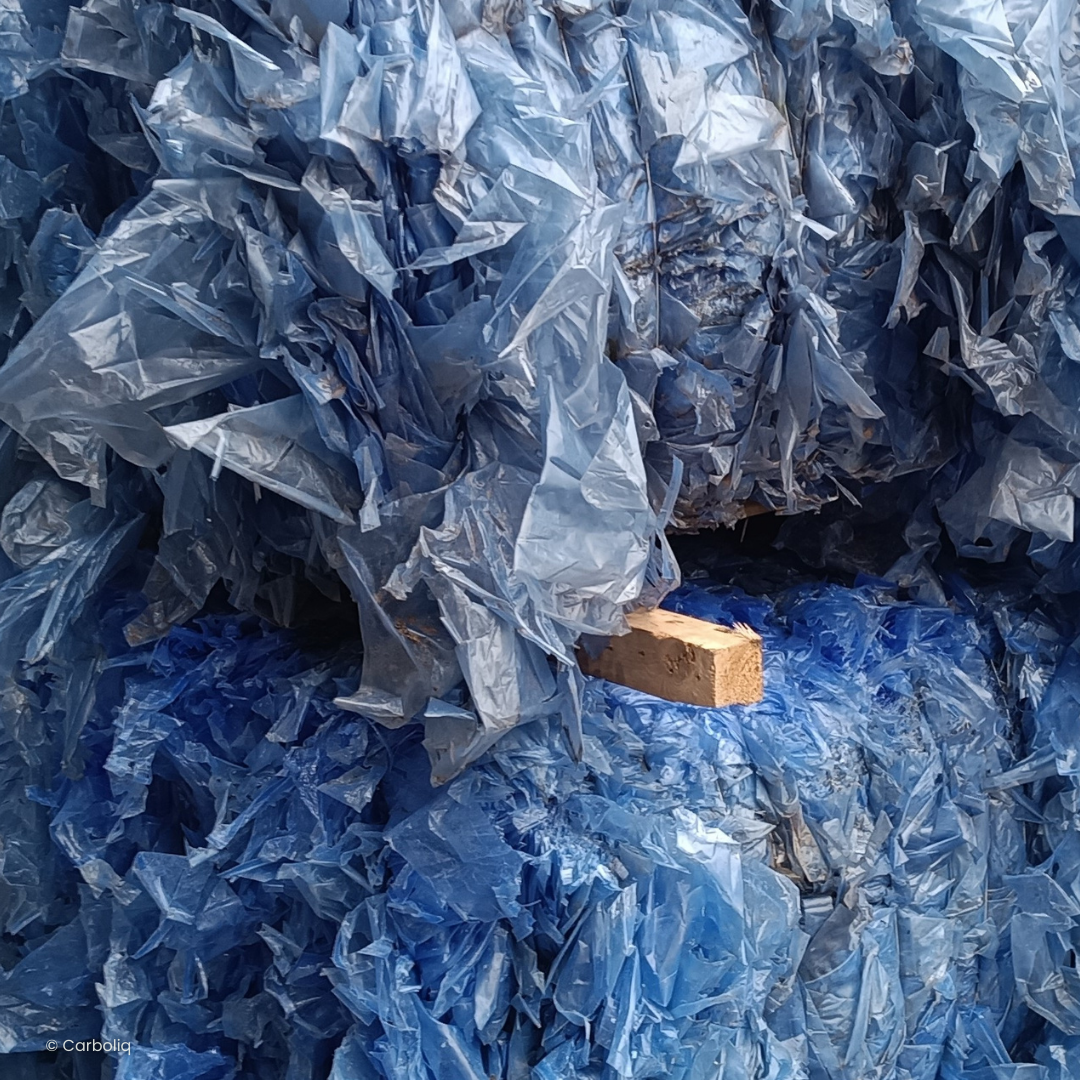
Direct oiling and depolymerization of multilayer films (carboliq)
Multilayer films of Südpack have been used by Arla for cheese production and processed to crude oil substitute (CLR = Circular Liquid Resource) and caprolactam monomers via the carboliq direct oiling technology.
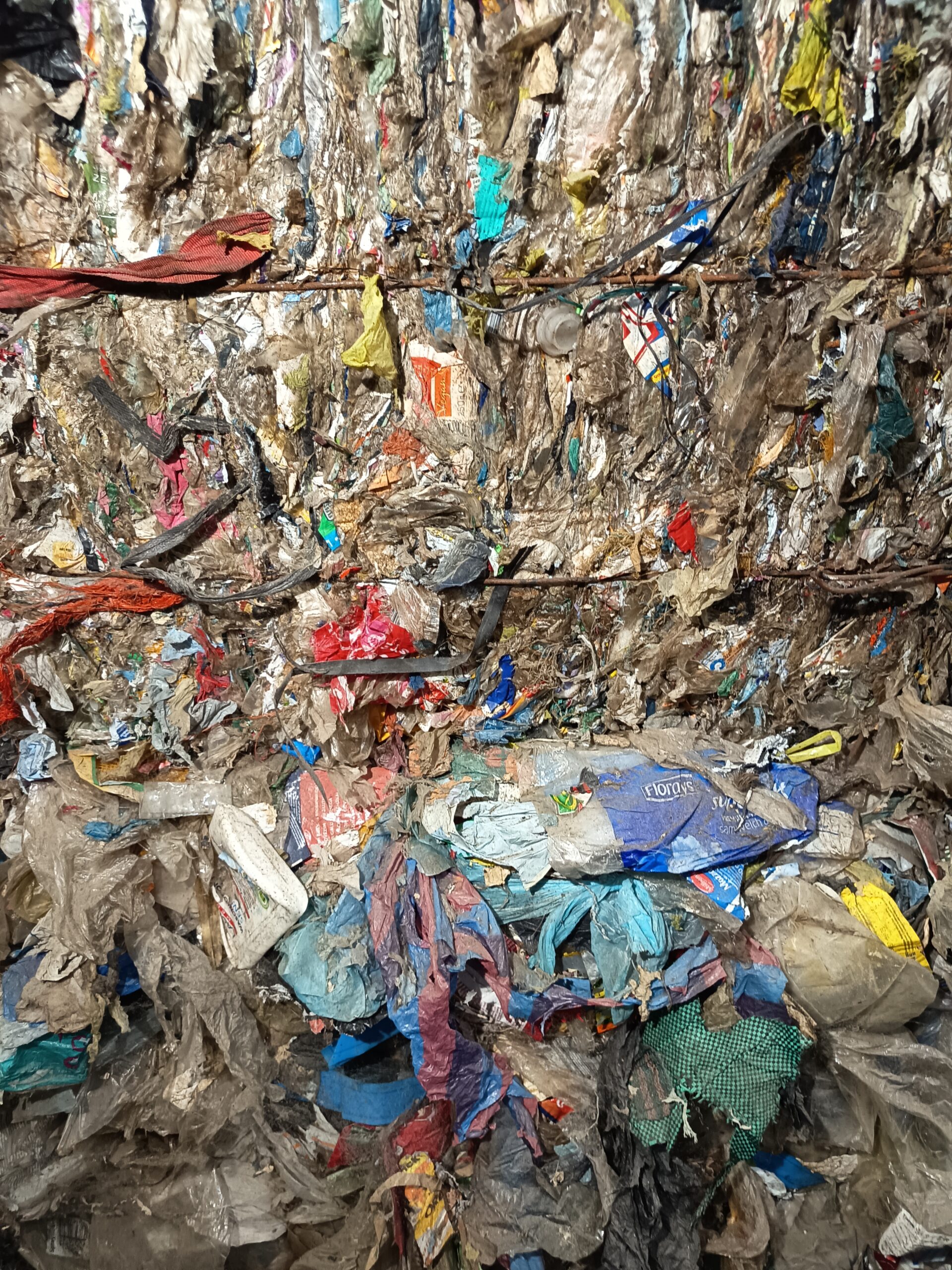
Direct oiling of polyolefin rich residual fractions (carboliq)
Residues from mechanical recycling, which cannot be separated and cleaned up further economically, or technically, are a well suited feedstock to produce a crude oil substitute (CLR = Circular Liquid Resource) with the carboliq process.
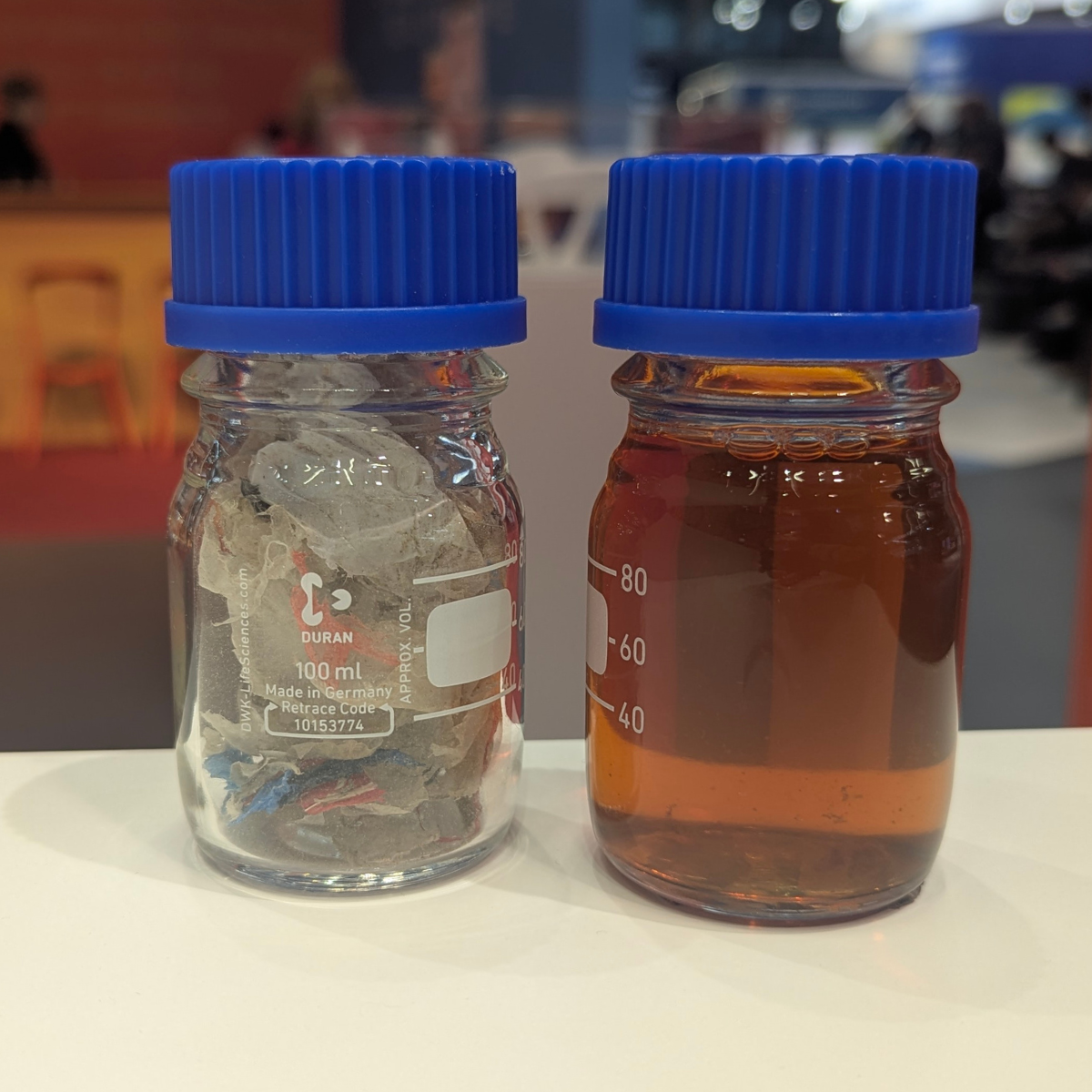
Pyrolisis oil from hard to recycle post-consumer waste (BlueAlp)
BlueAlp’s pyrolysis based chemical recycling technology converts hard to recycle post-consumer plastic waste into high quality pyrolysis oil. This oil can be used to produce new, food-grade plastics. We work with several petrochemicals and waste managers on offtake of circular feedstock, developing a project in chemical recycling for mixed plastic waste and diverting plastic waste from incineration or landfill.
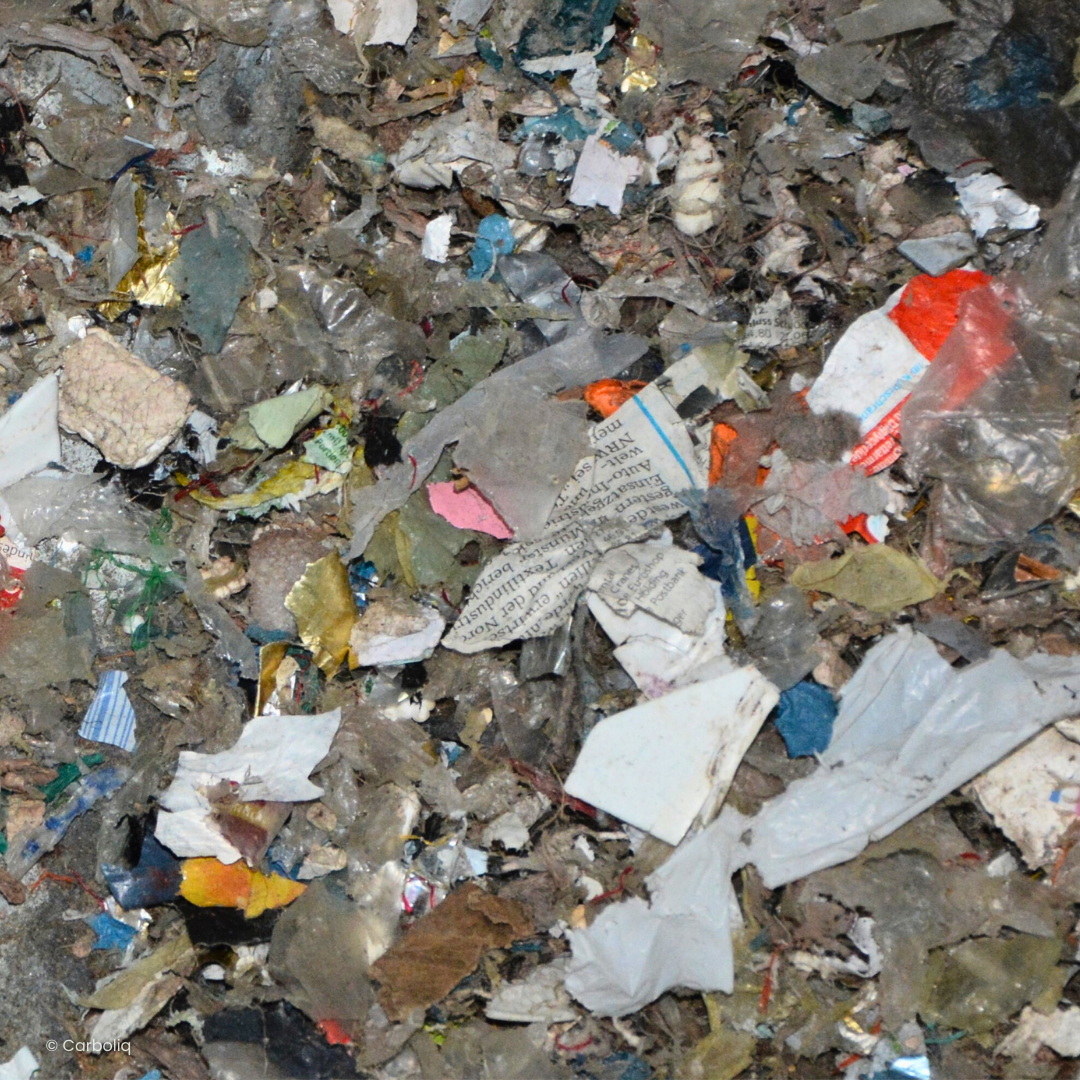
Direct oiling of SRF – solid recovered fuels (carboliq)
The carboliq process converts heavily mixed and contaminated residual waste from mechanical recycling, including biomass, to a universal crude oil substitute (CLR = Circular Liquid Resource) for the petrochemical industry.
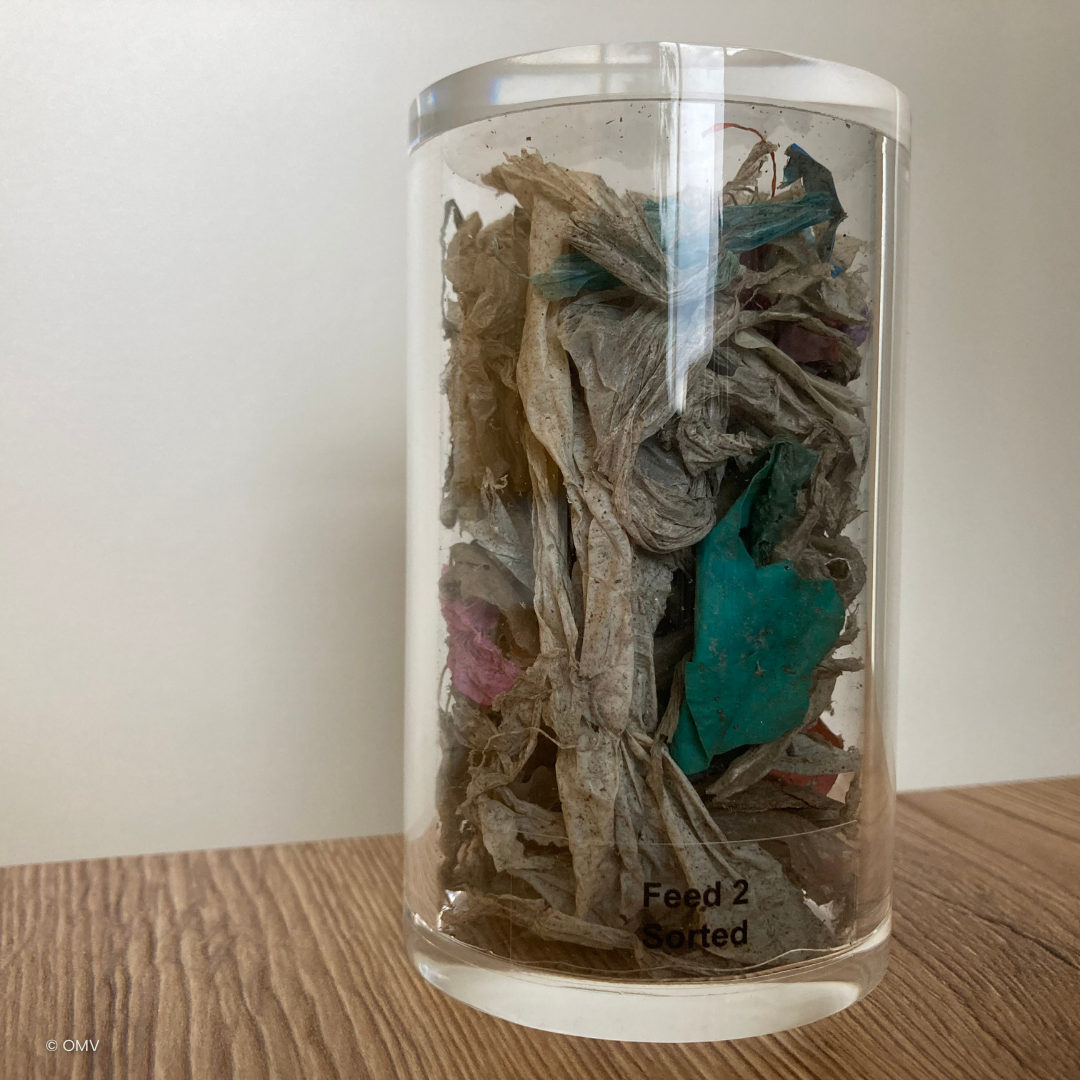
Soiled plastics waste (OMV Group)
The OMV Group is processing hard-to-recycle soiled plastics waste with chemical recycling.

Heavily mixed plastics waste (OMV Group)
The OMV Group is processing hard-to-recycle mixed plastics waste with chemical recycling.
Häufig gestellte Fragen zu Kunststoffinnovationen
Welche Rolle spielen Kunststoffinnovationen für die Kreislaufwirtschaft?
Kunststoffinnovationen ermöglichen die Nutzung von Rezyklaten, den Einsatz erneuerbarer Rohstoffe sowie neue Recyclingverfahren. Dadurch können wertvolle Materialien länger im Wirtschaftskreislauf gehalten werden.
Was sind kreislauffähige Kunststoffe?
Kreislauffähige Kunststoffe sind Materialien, die so entwickelt wurden, dass sie nach ihrer Nutzung effizient gesammelt, sortiert und recycelt werden können.
Wie tragen innovative Kunststoffe zum Klimaschutz bei?
Innovative Kunststoffe können den Ressourcenverbrauch senken, den Einsatz fossiler Rohstoffe reduzieren und durch Recycling oder erneuerbare Rohstoffe zu einer geringeren Treibhausgasbilanz beitragen.
Welche Branchen profitieren von Kunststoffinnovationen?
Kunststoffinnovationen kommen unter anderem in den Bereichen Verpackung, Bauwesen, Mobilität, Medizin, Elektronik und Konsumgüter zum Einsatz.
Bettina Dempewolf
Head of Communication
PlasticsEurope Deutschland e.V.
bettina.dempewolf@plasticseurope.de
+49 (171) 9713962
Arcus Greencycling Technologies
Marcel Glas
marcel.glas@arcus-greencycling.com
BASF
Daniela Katzenmaier
daniela.katzenmaier@basf.com
Borealis
Jos van Haastrecht
jozeph.vanhaastrecht@borealisgroup.com
Braskem
Katarina Molin
katarina.molin@braskem.com
Carboliq
Luca Graebenteich
sgraebenteich@carboliq.com
Covestro
Ivo Erler
ivo.erler@covestro.com
Dow
Sara Stepancic Lang
sstepanciclang@dow.com
Evonik
Michael Hagemann
michael.hagemann@evonik.com
INEOS Styrolution
Katja Stache
katja.stache@ineos.com
Neste
Nils Pfennig
nils.pfennig@neste.com
Mocom Compounds
Ursula Beatrice Hessenauer
ursula.hessenauer@mocom.eu
OMV
Beate Edl
beate.edl@omv.com
Otto Krahn Group
Birgit Volkmann
birgit.volkmann@ottokrahn.group
Syensqo
Alice Albini
alice.albini@syensqo.com
Vynova
Uli Plotzke
ulrich.plotzke@vynova-group.com
Wacker Chemie AG
Lisa Caroline Schulz
lisacaroline.schulz@wacker.com
Westlake Vinnolit
Andrea Walter
andrea.walter@westlake.com