The Plastics Transition
Our industry’s roadmap for plastics in Europe to be circular and have net-zero emissions by 2050
Europe’s plastics industry is at a cliff edge.
Europe’s global market share has collapsed from 22% in 2006 to only 12% in 2024.
Our circular plastics production in Europe is stagnating, with approximately 15% compared to total production in Europe. This compared to China’s 45% growth in the last 2 years.
Without urgent action to restore competitiveness and unlock investment, Europe risks deindustrialisation, loss of innovation leadership, and growing dependence on imports.
Survival is now the issue facing the EU’s production assets — dismantled and replaced by modern capacity abroad at an alarming rate.

Why this matters
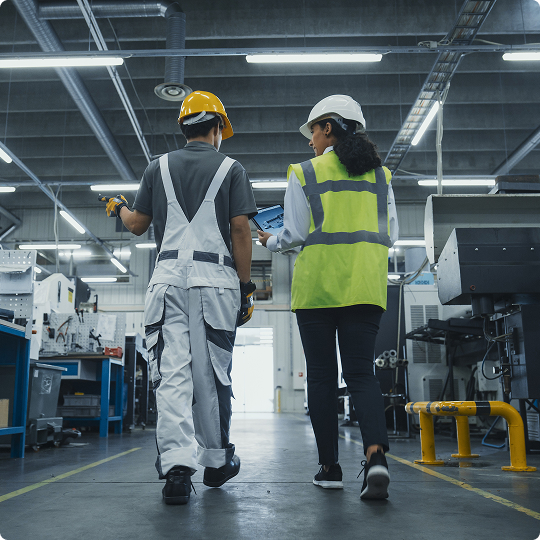
Plastics manufacturing is a critical economic backbone for Europe. It underpins key sectors; from automotive and defence to renewable energy and construction. Without a strong local plastics industry, Europe’s industrial base, circular transition and strategic autonomy are at risk.
If the decline continues, Europe will become overdependent on imported plastics, undermining the EU’s goals for sustainability and resilience.
We can decarbonise with industry in Europe, not by shipping it away. Keeping plastics manufacturing in Europe means keeping innovation, jobs, and strategic autonomy in Europe.
Drivers of decline

Energy & feedstock cost gap with global competitors

Investment diverted to modern capacity outside Europe

Regulatory and fiscal burdens that disincentivise local renewal
4 steps to restore the European plastics industry competitiveness:
#1 Strengthen
Strengthen EU legislation at borders, including on imports: Invest in customs capacities, harmonising controls, using digital tracing tools, and require third-party certification for imports to uphold environmental and labour standards – preventing carbon leakage and unfair competition.

#2 Tackle
Tackle Europe’s energy cost crisis: Add chemicals and polymers to the EU ETS compensation list and reinvest revenues into the sector to accelerate circular and net-zero emissions transitions.

#3 Establish
Establish a Chemicals and Plastics Trade Observatory: Monitor trade flows in real time and deploy fair trade measures and support tools to protect the EU industry from unfair practices and irreversible impacts.
#4 Boost
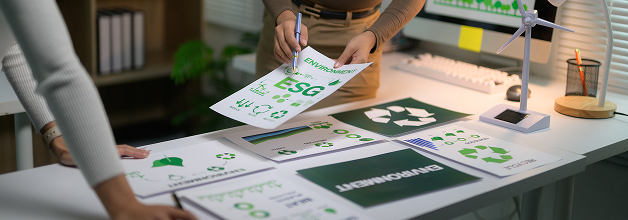
Boost European circular plastics production and remove internal barriers: Encourage investment and market demand with ambitious recycled-content targets, incentives, and by removing internal barriers for the free flow of goods and secondary raw materials.
Back Europe’s Plastics Industry. Boost Europe’s Future.
The truth is simple: as long as Europe’s policy and waste-management frameworks lag behind global competitors, investment and innovation will gravitate elsewhere. Now is the time to back European-made plastics and plastic products, and create the conditions for a thriving, circular plastics system in Europe.